
Ependymoma: Causes, Symptoms, and Treatment
Overview of Ependymoma
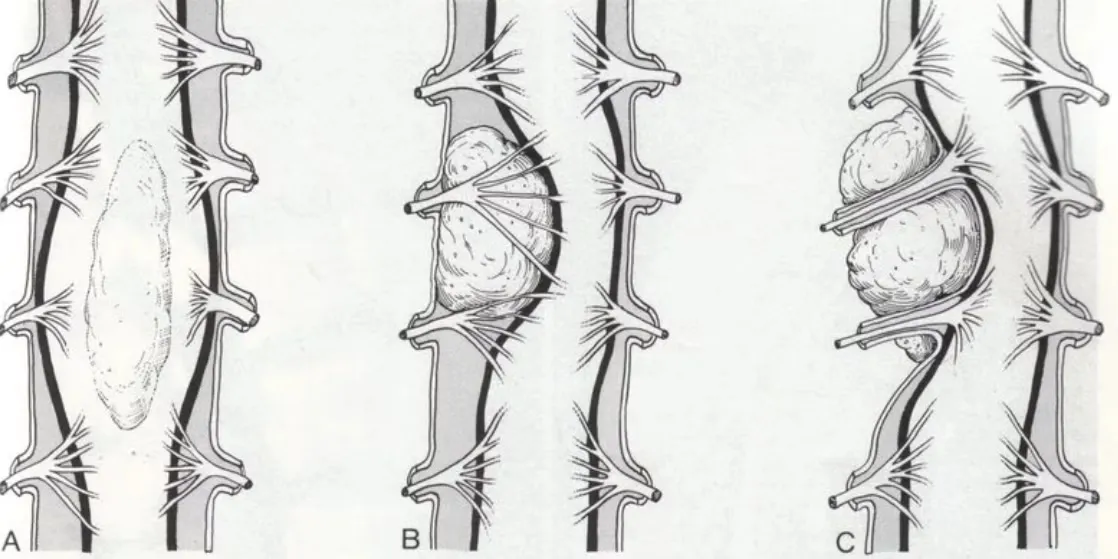
Ependymoma is a type of tumor that arises from the ependymal cells lining the ventricles of the brain and the central canal of the spinal cord. These tumors generally grow slowly and tend not to spread to distant organs. However, in more aggressive cases, the tumor may expand rapidly and metastasize.
While children are more likely to develop ependymoma in the brain, adults are more prone to tumors in the spinal cord, which may lead to muscle weakness, numbness, or loss of bladder control.
Doctors classify ependymomas into grades (I to III), based on their growth rate and aggressiveness:
Grade I – Subependymoma or Myxopapillary Ependymoma
- Subependymomas usually appear near the brain ventricles and are more common in adults.
- Myxopapillary ependymomas typically arise in the lower spinal cord and are most often seen in adult men.
Grade II – Ependymoma
- This is the most common type, found in both children and adults.
Grade III – Anaplastic Ependymoma
- These tumors are more aggressive, often located at the base of the brain, and have a higher chance of recurrence after treatment.
Symptoms of Ependymoma
The signs and symptoms vary depending on the tumor’s size, location, and the patient’s age.
In infants and toddlers:
- Abnormally large head size
- Irritability or difficulty sleeping
- Persistent nausea and vomiting
In older children and adults:
- Headaches or dizziness
- Back or neck pain
- Loss of balance or coordination
- Muscle weakness or numbness
- Blurred or reduced vision
- Seizures
- Nausea and vomiting

Possible Complications
If left untreated, ependymomas may lead to serious complications such as:
- Cognitive decline
- Loss of mobility or paralysis
- Hearing or vision loss
- Chronic sleep disturbances
- Life-threatening outcomes
When to See a Doctor
You should seek medical advice from a neurologist or oncologist if you or your child show any symptoms associated with ependymoma. Early diagnosis and treatment can significantly improve outcomes.
Causes of Ependymoma
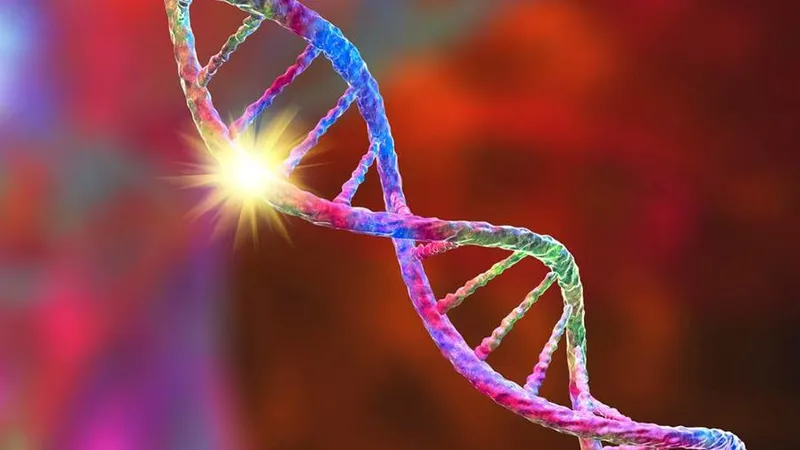
Researchers have not yet identified the exact cause of ependymoma. It is believed that genetic mutations may play a role in the development of these tumors.
Risk Factors for Ependymoma
Who is at Risk?
Ependymomas can occur in both children and adults. Brain ependymomas are more common in children, while spinal ependymomas are more frequently diagnosed in adults. The condition is also reported more often in:
- Males compared to females
- Caucasians compared to other ethnic groups
- Children, with the average age of diagnosis around 5 years old
- Adults, typically diagnosed between 30–40 years of age
Factors That Increase the Risk
Certain factors may make individuals more likely to develop ependymoma, including:
- Family history of ependymoma
- Neurofibromatosis type 2 (NF2): Research shows that people with NF2, a rare genetic disorder, have a higher risk of developing ependymomas.
Diagnosis and Tests for Ependymoma
Several tests are used to diagnose ependymoma, including:
Neurological examination: The doctor evaluates vision, hearing, balance, coordination, muscle strength, and reflexes to determine which areas of the nervous system are affected by the tumor.
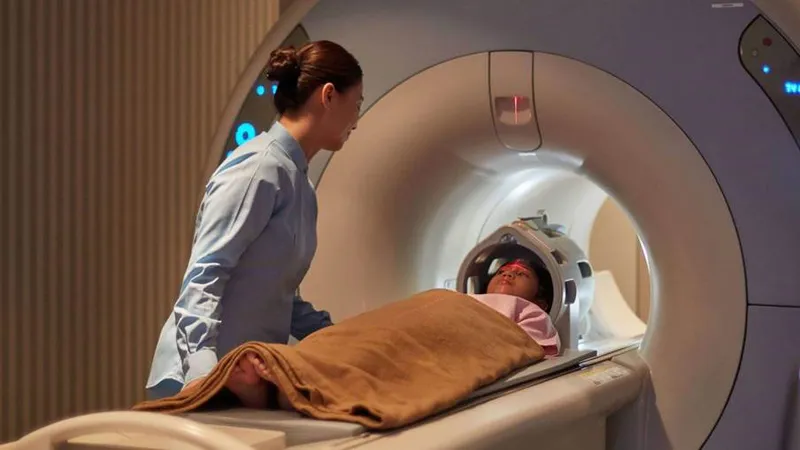
Imaging tests: Imaging helps determine the size and location of the tumor. Magnetic resonance imaging (MRI) is commonly used to detect brain and spinal cord tumors. In some cases, magnetic resonance angiography (MRA) may be performed to assess whether blood vessels in the brain are affected.
Lumbar puncture (spinal tap): This test analyzes cerebrospinal fluid (CSF) to help detect ependymoma cells and rule out infection.
Treatment for Ependymoma
Surgery
Surgery is the primary treatment for ependymoma. A neurosurgeon removes as much of the tumor as possible while preserving healthy surrounding tissue. Complete removal offers the best chance for long-term control.
Radiation Therapy
Radiation therapy uses high-energy beams to shrink or destroy tumor cells. It is often given before or after surgery to reduce the risk of recurrence.
Chemotherapy
Chemotherapy uses drugs to kill cancer cells. It is not typically the first-line treatment for ependymoma, but may be considered in certain cases—such as when the tumor recurs after surgery and radiation.
Immunotherapy
Immunotherapy stimulates the body’s immune system to fight cancer. While rarely used in ependymoma, it may be an option in cases where the tumor has spread.
Targeted Therapy
Targeted therapy involves drugs or substances that specifically attack tumor cells or block their growth. This approach is infrequently used in ependymoma but may be explored in select cases.

Lifestyle and Prevention of Ependymoma
Healthy Lifestyle Habits to Manage Ependymoma Progression
Adopting healthy daily routines may help improve overall well-being and support treatment outcomes. Recommendations include:
- Attend follow-up appointments and strictly adhere to your doctor’s treatment plan.
- Monitor symptoms closely. Report any new signs or worsening of existing symptoms to your healthcare provider immediately.
- Exercise regularly, at least 30 minutes per day, to maintain strength and improve overall health.
- Avoid exposure to harmful chemicals, tobacco, and radiation during pregnancy.
Nutrition and Diet
There is no specific diet proven to prevent or control ependymoma. However, maintaining a balanced and nutritious diet is essential for overall health, supporting the immune system, and improving recovery during treatment.
Can Ependymoma Be Prevented?
Currently, there are no known methods to prevent ependymoma, as the exact cause of the tumor remains unclear. Early detection plays a crucial role in improving treatment outcomes. If you or your child develop any concerning symptoms, consult a neurologist or oncologist promptly.
