
Ductal Carcinoma In Situ (DCIS): What You Need to Know
What is Ductal Carcinoma In Situ?
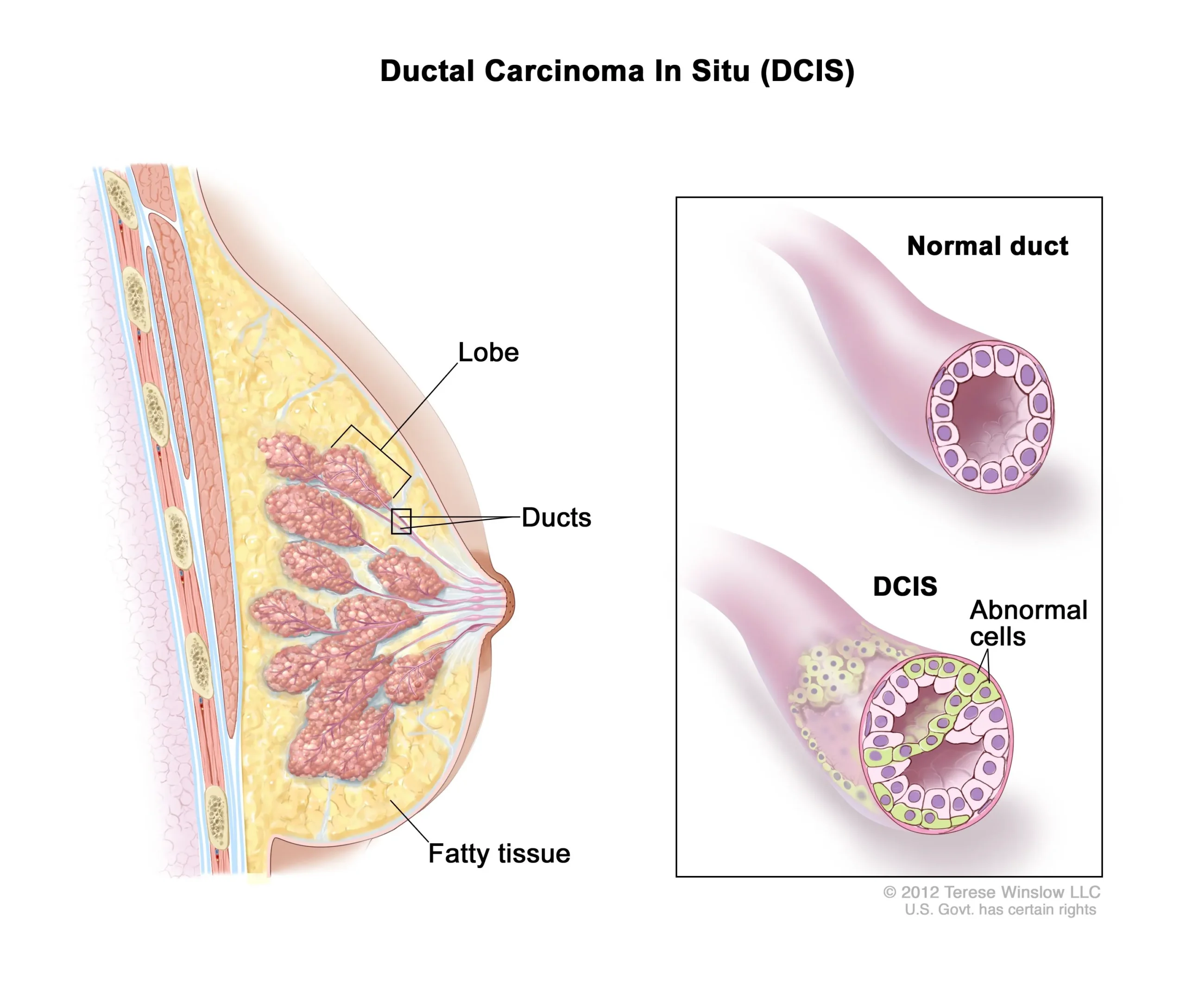
Ductal carcinoma in situ (DCIS) is considered the earliest stage of breast cancer. In DCIS, abnormal cells line the milk ducts of one or both breasts but remain contained within the ducts, without spreading beyond the basement membrane. Because it has not invaded nearby tissues, DCIS is classified as a non-invasive breast cancer.
If these abnormal cells break through the duct wall, the condition progresses to invasive breast cancer. For this reason, DCIS is often described as a warning sign or precursor of invasive breast cancer.
DCIS is most commonly detected during a mammogram performed as part of breast cancer screening or when investigating a lump in the breast. Although it is not a medical emergency, timely evaluation and treatment are important. Treatment often involves surgery, sometimes combined with radiotherapy or hormone therapy. With proper management, DCIS has a very high treatment success rate and an excellent prognosis.
Symptoms of DCIS
In most cases, ductal carcinoma in situ does not cause obvious symptoms. However, some people may experience:
- A lump in the breast
- Nipple discharge
On mammography, DCIS often appears as clusters of small, irregularly shaped microcalcifications.
When the abnormal cells begin to invade the ducts, symptoms may include itching or the formation of sores (ulceration).
Although rare, DCIS can also occur in men. Since men do not routinely undergo mammograms, it may present as bleeding or a lump at the nipple.

Possible Complications of DCIS
While DCIS is highly treatable, complications can arise depending on the treatment method:
- Surgery: Infection, hematoma, fluid accumulation, wound healing problems, pain, lymphedema, or cosmetic dissatisfaction due to poor surgical outcome.
- Hormone therapy (Tamoxifen): Increased risk of endometrial cancer, stroke, deep vein thrombosis (DVT), and pulmonary embolism.
- Radiotherapy: Skin and tissue changes (hardening, shrinkage, discoloration), fatigue, cough, shortness of breath, rib fractures, and in very rare cases, angiosarcoma or brachial plexus injury.
When Should You See a Doctor?
You should schedule a medical evaluation if you notice any changes in your breasts, such as:
- A lump in the breast
- Thickening under the skin or nipple discharge
- Pain in the breast or nipple
- Nipple retraction (pulling inward)
- Skin changes (wrinkling, thickening, dryness, flaking, or redness)
Keep in mind that many of these symptoms can also be caused by benign (non-cancerous) conditions, but it is always safest to have any breast changes checked by a healthcare professional.
Causes of Ductal Carcinoma In Situ (DCIS)
The exact cause of ductal carcinoma in situ (DCIS) is still unknown. DCIS develops when genetic mutations occur in the cells lining the milk ducts of the breast. These mutations cause the cells to appear abnormal, but they remain contained within the ducts and cannot spread into surrounding tissues.
Several factors may contribute to the risk of developing DCIS, including lifestyle, environmental exposure, and inherited genetic mutations.
Who Is at Risk of DCIS?
DCIS is one of the most common forms of breast cancer in women, accounting for about 20%–25% of all new breast cancer diagnoses each year.
Although rare, men can also develop DCIS.
Risk Factors for DCIS
The most important risk factor is age. The likelihood of developing DCIS increases as women get older, especially after the age of 30. Other risk factors include:
- Family history of breast cancer
- Early menstruation (before age 12)
- Having a first child after age 30
- Never having been pregnant or breastfeeding
- Late menopause (after age 55)
- Personal history of breast cancer or atypical hyperplasia
- Dense breast tissue
- Prior radiation therapy to the chest
- Inherited genetic mutations linked to breast cancer risk (BRCA1 and BRCA2)
Diagnosis and Treatment of Ductal Carcinoma In Situ (DCIS)
Diagnostic Methods
Most people with ductal carcinoma in situ (DCIS) do not experience any symptoms. Diagnosis typically involves a combination of tests and procedures:
Clinical Breast Exam
Even though patients may not feel a lump, a careful physical exam of the breasts and underarm area is important. Doctors will look for nipple discharge, skin changes, lumps, or abnormal lymph nodes.
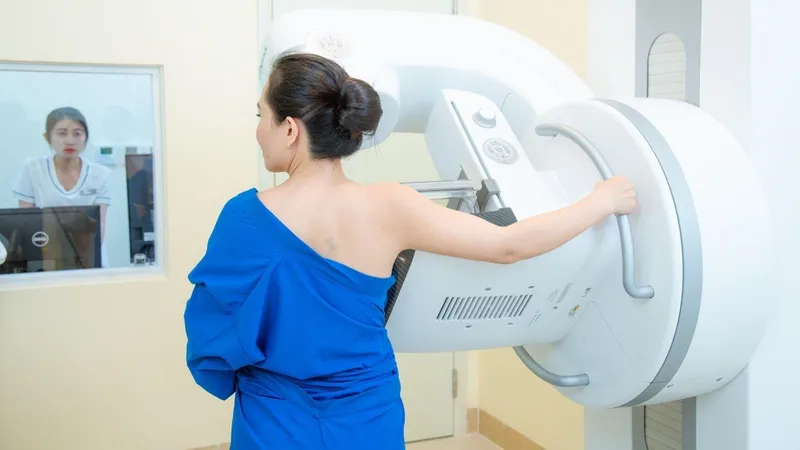
Mammogram (Breast X-ray)
On mammography, DCIS usually appears as clusters of irregularly shaped microcalcifications, which can be localized or widespread.
3D mammography (tomosynthesis) is often recommended because it provides more detailed images from multiple angles.
If suspicious areas are found, additional imaging may be performed followed by a breast biopsy.
Breast Biopsy
A core needle biopsy, usually guided by imaging, is performed on the suspicious area to obtain tissue samples. Core biopsy provides more tissue than fine-needle aspiration, allowing the pathologist to determine whether the cancer is invasive or non-invasive.
However, even with a core biopsy, limitations exist: about 10%–20% of cases diagnosed as DCIS may reveal invasive breast cancer upon surgical removal.
Treatment Options
Although DCIS is not life-threatening or fast-spreading, treatment or close monitoring is essential. Some forms of DCIS can progress to invasive breast cancer if left untreated.
Hormone Therapy
Hormone therapy helps block hormones from stimulating cancer cells. It is only effective for hormone receptor-positive breast cancers.
- Tamoxifen blocks estrogen activity, reducing the risk of invasive breast cancer. It can be taken for up to 5 years by both premenopausal and postmenopausal women.
- Aromatase inhibitors (for postmenopausal women) lower estrogen production and may also be used for up to 5 years.
Hormone therapy is not a primary treatment for DCIS but may be used after surgery or radiation to reduce the risk of recurrence or new breast cancer.
Radiation Therapy
Radiation therapy is usually recommended after breast-conserving surgery (lumpectomy). Treatment typically lasts 3–4 weeks.
- External beam radiation targets the breast tissue to destroy any remaining cancer cells and lower the risk of recurrence.
- In some cases, doctors may choose surveillance first and only recommend radiation if cancer returns.
Surgery
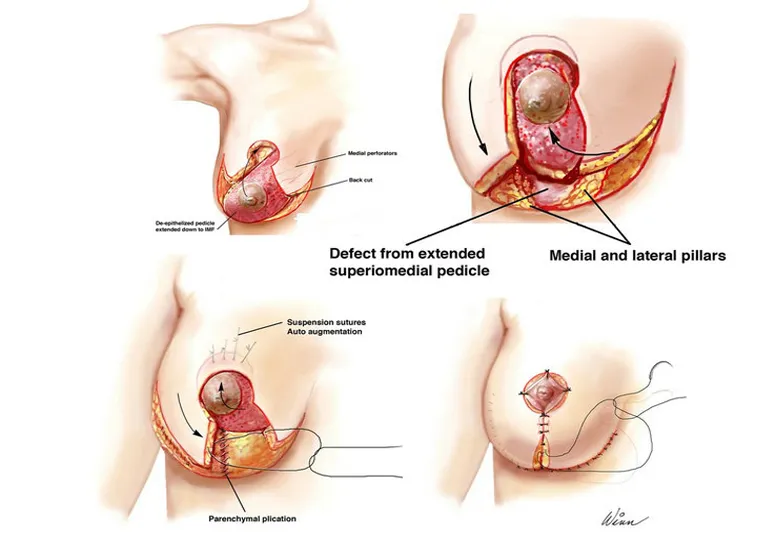
The most common treatments for DCIS are breast-conserving surgery (BCS, lumpectomy) or mastectomy.
- Lumpectomy (BCS) removes the cancer along with a small margin of healthy tissue. Most of the breast is preserved, and breast reconstruction is usually unnecessary.
- Mastectomy removes the entire affected breast, or sometimes both breasts (double mastectomy). This may be recommended if DCIS is widespread across multiple ducts or the tumor is very large. Radiation may not be required after mastectomy.
- Breast reconstruction may be an option after mastectomy, depending on patient preference and medical advice.
Lifestyle & Prevention of Ductal Carcinoma In Situ (DCIS)
Healthy lifestyle habits to help limit the progression of DCIS
Lifestyle:
- Attend regular follow-up checkups and strictly follow your doctor’s treatment plan.
- Engage in appropriate physical exercise to improve overall health, avoid prolonged inactivity, and maintain a healthy weight.
- Avoid overworking; keep a positive and relaxed mindset; participate in outdoor activities.
- Get enough sleep, avoid staying up late, and limit excessive use of electronic devices.
- Do not use stimulants or smoke.
Nutrition:
- Follow a healthy eating plan.
- Eat well-cooked food and vary meals to avoid monotony.
- Ensure a balanced diet rich in nutrients; add foods high in omega-3 (olive oil, almonds, avocado, salmon, etc.) and fiber-rich vegetables (broccoli, cabbage), along with fruits and other plant-based foods.
- Limit deep-fried and oily dishes; prioritize steaming or boiling.
- Reduce foods high in sugar, salt, and fast food.
- Drink plenty of water daily.
- Avoid alcohol and alcoholic beverages.

Prevention of Ductal Carcinoma In Situ
Although there is no guaranteed way to prevent DCIS, annual mammography screening can help detect the condition at an early stage. Early detection of DCIS and other breast cancers can lead to more favorable outcomes with less invasive treatment options.
Other preventive measures include:
- Maintaining a healthy lifestyle and avoiding risk factors such as excessive alcohol consumption while staying physically active.
- Regular health checkups and good management of underlying conditions.
- Following a nutritionally balanced diet.
- Keeping a healthy weight or losing weight if overweight or obese.
- Avoiding exposure to harmful environments, staying positive, and reducing stress.
- Avoiding smoking and harmful substances.
- Drinking enough water daily.
