
Cecal Cancer: What You Need to Know
What Is Cecal Cancer?
Cecal cancer is a type of colorectal cancer that develops in the cecum, the first section of the large intestine where the small intestine connects to the colon. About 20% of colorectal cancers originate in the cecum.
Unlike cancers in other parts of the colon, cecal cancer is often detected incidentally during a colonoscopy. Because it rarely causes specific early symptoms, diagnosis is frequently delayed until the disease has progressed.
Overview of Cecal Cancer
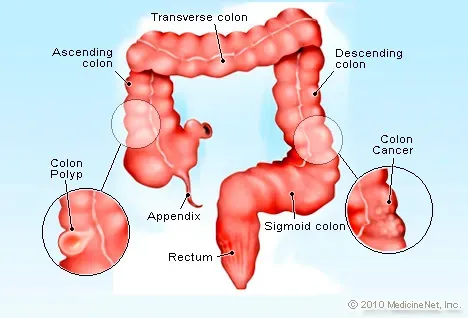
Cecal cancer is a malignancy of the gastrointestinal tract. The cecum is the shortest portion of the colon, located at the junction between the ileum (last part of the small intestine) and the ascending colon. This anatomical location gives the cecum unique transitional tissue characteristics.
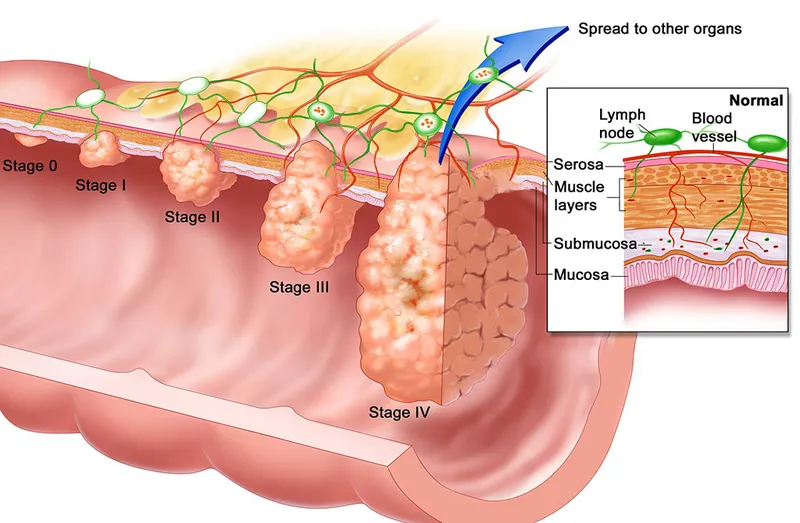
The wall of the cecum consists of four main layers: mucosa, submucosa, muscularis, and serosa. Any abnormal, uncontrolled proliferation of cells within these layers—capable of invading surrounding tissues—is considered cecal cancer.
Other regions of the colon include the ascending colon, transverse colon, descending colon, sigmoid colon, and rectum.
Signs and Symptoms of Cecal Cancer
Cecal cancer is notorious for its lack of distinctive early warning signs. Many symptoms overlap with benign gastrointestinal conditions, making early detection challenging. However, symptoms may differ slightly from colorectal cancer in other locations.
Common symptoms include:
- Changes in bowel habits: diarrhea, constipation, or alternating episodes of both.
- Blood in stool: may present as mucus mixed with blood, dark tarry stools (melena), or changes in stool shape and consistency.
- Abdominal discomfort: pain, bloating, frequent urge to defecate, nausea, or vomiting.
- Bowel obstruction: partial or complete, leading to severe abdominal pain, distension, constipation, or inability to pass gas.
- Palpable masses: enlarged lymph nodes in the groin or a detectable abdominal tumor in advanced cases.
- Anemia-related symptoms: dizziness, palpitations, rapid heartbeat, pale skin, or fatigue due to chronic blood loss.
- General systemic signs: unexplained weight loss, fatigue, weakness, and poor appetite.

Health Impact of Cecal Cancer
In its earliest stages, cecal cancer may cause no obvious health effects. As the tumor enlarges, however, it can significantly impair quality of life by altering bowel habits, causing discomfort, and leading to serious complications such as bowel perforation, peritonitis, and malnutrition.
If left untreated, the disease can be life-threatening.
Potential Complications of Cecal Cancer
Advanced or untreated cecal cancer can result in:
- Bowel obstruction: tumor growth blocks intestinal passage, causing severe pain, bloating, nausea, vomiting, and inability to pass stool or gas.
- Chronic gastrointestinal bleeding: leading to anemia and black or bloody stools.
- Perforation and peritonitis: when the tumor weakens the intestinal wall, allowing contents to leak into the abdominal cavity.
- Metastasis: spread of cancer cells to other organs such as the liver, lungs, bones, or kidneys, significantly worsening survival outcomes.
When to See a Doctor
Seek medical attention if you experience persistent changes in bowel habits, unusual stool color or consistency, abdominal pain, or unexplained weight loss.
Early screening through colonoscopy is essential, especially for individuals with risk factors such as a family history of colorectal cancer, inflammatory bowel disease, obesity, or advancing age.
Causes of Cecal Cancer
The exact cause of cecal cancer, like most cancers, is not fully understood. It is believed to result from a complex interaction between genetic predisposition and environmental factors such as diet, chemical exposure, and lifestyle.
Risk Factors for Cecal Cancer
Genetic Risk Factors
Inherited conditions play a major role in the development of colorectal cancers, including cecal cancer. Notable hereditary syndromes include:
- Lynch syndrome (Hereditary Nonpolyposis Colorectal Cancer, HNPCC)
- Familial Adenomatous Polyposis (FAP)
- Peutz–Jeghers syndrome
- Gardner syndrome
Individuals with a family history of colorectal cancer have a significantly higher lifetime risk, especially if diagnosed at a young age.
Pre-existing Medical Conditions
Certain diseases affecting the colon increase the risk of malignant transformation, such as:
- Inflammatory bowel disease (IBD) – particularly ulcerative colitis and Crohn’s disease.
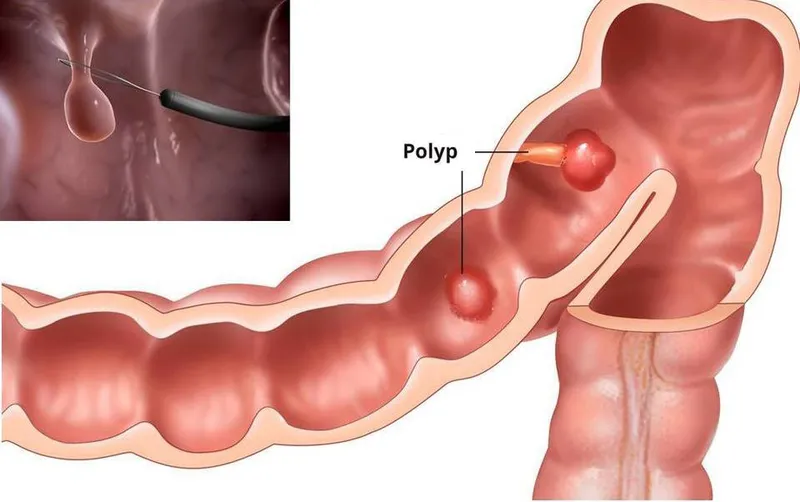
- Adenomatous polyps – benign growths that may progress to cancer if untreated.
Lifestyle and Environmental Factors
Several modifiable lifestyle factors have been linked to cecal and colorectal cancer:
- Dietary habits: High consumption of red and processed meats, animal fats, and low intake of fiber, fruits, and vegetables are associated with a higher risk.
- Foods preserved by smoking, pickling, or grilling may contain carcinogens such as benzopyrene and nitrosamines.
- Sedentary lifestyle: Lack of regular physical activity contributes to obesity and slower bowel motility, increasing cancer risk.
- Obesity: Excess body weight, especially abdominal fat, is strongly associated with colorectal cancer.
- Smoking and alcohol: Long-term tobacco use and heavy alcohol consumption are well-established risk factors.
Age
Advancing age is one of the strongest predictors of colorectal cancer. Most cases occur in individuals over age 50, as genetic mutations accumulate over time and the body’s natural DNA repair mechanisms become less effective.
Environmental Exposures
Prolonged exposure to harmful agents may also contribute to cancer risk, including:
- Industrial pollutants
- Radiation and ionizing rays
- Chronic exposure to toxins or harmful chemicals
Diagnosis and Treatment of Cecal Cancer
Diagnostic Methods for Cecal Cancer
Colonoscopy
Colonoscopy with a flexible scope is the gold standard for diagnosing cecal and colorectal cancer. It allows direct visualization of the tumor, determination of its location and characteristics, and biopsy sampling for histopathological analysis.
Imaging Studies
- Plain abdominal X-ray: Indicated in emergency cases such as bowel perforation or obstruction.
- Computed Tomography (CT scan): Helps assess primary tumors and distant metastasis. More sensitive than ultrasound in detecting local and distant spread.
- Magnetic Resonance Imaging (MRI): Particularly valuable for detecting liver metastases and evaluating local tumor invasion.
- Abdominal ultrasound: Useful for initial assessment of liver and abdominal structures, though less sensitive than CT.
- Endorectal ultrasound: Provides valuable information on the depth of invasion and regional lymph node involvement, especially in rectal cancer but may also aid staging of cecal tumors.
Nuclear Medicine Imaging
- Radioimmunoscintigraphy (RIS): Uses radiolabeled monoclonal antibodies and SPECT imaging to detect primary and metastatic lesions.
- Positron Emission Tomography (PET, PET/CT, PET/MRI) with F18-FDG tracer: Evaluates tumor metabolism, detects lymph node and distant metastases, and supports staging and radiotherapy planning.
Laboratory and Biomarker Testing
- Hematology and biochemistry tests: Assess overall health status and organ function.
- Tumor markers: Carcinoembryonic antigen (CEA) and carbohydrate antigen 19-9 (CA 19-9) may support diagnosis, monitoring treatment response, and detecting recurrence or metastasis.
Treatment Options for Cecal Cancer
Management of cecal cancer is complex and depends on factors such as disease stage, patient health status, presence of metastasis, complications, and recurrence.
Medical Treatment
- Chemotherapy: Used in cases where surgery is not possible or as adjuvant therapy. Common regimens and targeted agents include:
- Cetuximab
- Bevacizumab
- FOLFOXIRI (a combination of folinic acid, fluorouracil, oxaliplatin, and irinotecan)
- Ramucirumab
- Aflibercept
These therapies help slow tumor progression, shrink tumors before surgery, and reduce recurrence risk.
Surgical Treatment
Surgery remains the cornerstone of treatment for most cases of cecal cancer, regardless of stage. Principles of curative surgery include:
- Complete removal of the primary tumor with wide margins.
- Regional lymph node dissection.
- Restoration of intestinal continuity.
Surgical Options by Stage
- Early-stage disease (Stage 0 or Stage I, TNM classification):
- Polypectomy or endoscopic mucosal resection (EMR) if the lesion is superficial (sm1/2, G1–2).
- If margins are positive or incomplete resection occurs, wedge resection or segmental colectomy with re-anastomosis may be required.
- Stage I (Dukes A / modified Dukes A & 1B):
- Standard colectomy with lymph node dissection, tailored to tumor location.
- Stage II (IIA, IIB) and Stage III:
- Segmental colectomy with regional lymphadenectomy based on tumor site, often followed by adjuvant chemotherapy.
Lifestyle and Prevention of Cecal Cancer
Healthy Habits to Help Manage and Reduce the Risk of Cecal Cancer
Maintain regular physical activity: Engage in consistent exercise, aiming for at least 30 minutes of moderate-intensity activity per day, five days a week. Regular exercise helps regulate bowel function, reduce inflammation, and maintain a healthy weight.
Avoid smoking and limit alcohol intake: Both tobacco and excessive alcohol consumption are strongly linked to a higher risk of colorectal and cecal cancer.
Maintain a healthy weight: Obesity is associated with multiple cancers, including colorectal cancer. Adopting a balanced diet and consistent exercise can help achieve and maintain a healthy Body Mass Index (BMI).
Routine screening: Individuals at high risk (family history, genetic syndromes, chronic inflammatory bowel disease) should undergo regular colonoscopy screening. Early detection of precancerous changes or small tumors improves survival significantly.
Balanced diet: Focus on whole foods, including fruits, vegetables, whole grains, and lean protein. Limit red meat, processed foods, sugary beverages, and refined carbohydrates. Diets rich in fiber and antioxidants have been shown to lower colorectal cancer risk.
Effective Prevention Strategies
Specific Prevention
- Colorectal cancer screening plays a crucial role in preventing cecal cancer. Colonoscopy allows for early detection of precancerous lesions, dysplasia, or polyps before they progress to cancer. Most polyps, especially larger adenomas, can be removed during screening procedures, thereby reducing cancer incidence.

General Prevention
- Adopting and sustaining a healthy lifestyle is vital:
- Diet rich in fiber, vegetables, and fruits while limiting red and processed meats.
- Regular physical exercise to support digestion and immunity.
- Weight management and metabolic health.
Together, these measures not only lower the risk of cecal cancer but also improve overall well-being and reduce the burden of other chronic diseases such as cardiovascular disease and diabetes.
