
Everything You Should Know About Coagulation Disorders
A blood clotting disorder (also known as a coagulation disorder) refers to any medical condition that affects the body’s ability to form or dissolve blood clots properly. In a healthy person, the clotting process stops bleeding when an injury occurs. However, in people with clotting disorders, this system becomes unbalanced — leading either to excessive bleeding when clots fail to form, or dangerous clot formation (thrombosis) when clots develop without a clear cause.
These disorders can be inherited (genetic) or acquired later in life due to illness, infection, surgery, or medication. Although some forms can be managed effectively with treatment, others may cause severe or life-threatening complications such as deep vein thrombosis (DVT), pulmonary embolism (PE), stroke, or heart attack.
Understanding Blood Clotting Disorders
Definition and Overview
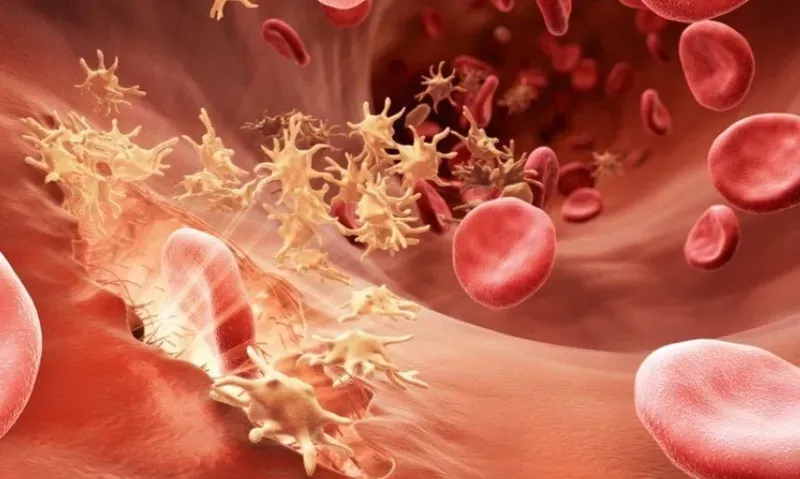
Blood clotting disorders are abnormalities in the mechanisms that control how the blood coagulates. Normally, when a blood vessel is injured, a cascade of clotting factors helps form a blood clot (thrombus) to seal the wound and prevent blood loss. Once the injury heals, the clot dissolves naturally.
In a clotting disorder, this system malfunctions in one of two ways:
- Bleeding disorders: The blood cannot form clots effectively, resulting in prolonged or spontaneous bleeding (e.g., hemophilia, von Willebrand disease).
- Thrombotic disorders: The body forms clots too easily, increasing the risk of blocked blood vessels (e.g., antiphospholipid syndrome, deep vein thrombosis, disseminated intravascular coagulation (DIC)).
Abnormal clot formation can obstruct blood flow to vital organs. For example:
- Clots in the legs can cause deep vein thrombosis (DVT).
- Clots that travel to the lungs can result in a pulmonary embolism (PE).
- Rarely, clots may form in the arteries, leading to stroke or myocardial infarction (heart attack).
Common Symptoms of Blood Clotting Disorders
Signs and Symptoms
Symptoms vary depending on whether the disorder leads to bleeding or excessive clotting, but may include:
- Swelling, redness, and pain in the leg: Possible signs of DVT, when a clot blocks a deep vein.
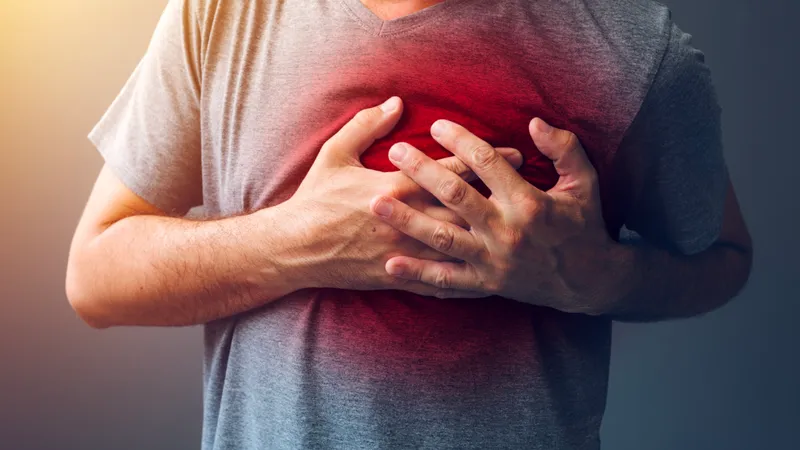
- Shortness of breath or chest pain: Could indicate a pulmonary embolism, a medical emergency requiring immediate attention.
- Frequent or unexplained bruising, nosebleeds, or excessive bleeding from minor cuts may signal a bleeding-type disorder.
- Fatigue or weakness, which may result from chronic blood loss or poor circulation due to clot formation.
Arterial clots, though less common, are equally serious and can cause a stroke or heart attack within minutes.
When to See a Doctor
You should consult a healthcare professional if you:
- Have unexplained bruising, prolonged bleeding, or recurrent nosebleeds.
- Experience swelling, warmth, or pain in one leg.
- Have a family history of clotting or bleeding disorders.
- Are planning surgery or pregnancy, both of which can increase clotting risk.
Some clotting disorders are identified at birth, while others develop later in life due to conditions such as autoimmune diseases, cancer, prolonged immobility, or certain medications (e.g., hormonal therapy).
Doctors may recommend blood tests to evaluate clotting factors and determine whether your symptoms are linked to a genetic or acquired disorder.
Key Takeaways
- Blood clotting disorders disrupt the balance between bleeding and clotting, leading to serious health risks.
- They can be inherited or acquired through disease or medication.
- Recognizing early symptoms — such as unusual bruising, leg pain, or shortness of breath — is vital for timely diagnosis and treatment.
- Prompt medical evaluation can prevent severe complications, including stroke, heart attack, and pulmonary embolism.
Causes and Risk Factors of Blood Clotting Disorders
Understanding the Causes of Coagulation Disorders
Your body maintains normal blood flow through a delicate balance between pro-clotting factors and anti-clotting mechanisms. When this equilibrium is disrupted, the result can be a coagulation disorder — where the blood either clots too easily or not enough.
- Clotting factors promote the formation of blood clots to stop bleeding.
- Anticoagulant factors prevent clots from forming unnecessarily.
An imbalance between these two systems can tilt the body toward bleeding or thrombosis (clot formation).
Genetic (Inherited) Causes
Inherited coagulation disorders are typically caused by mutations in the genes that control clotting factor production or function. These genetic defects are present from birth, though symptoms may appear later in life. Examples include:
- Hemophilia A and B: Caused by deficiencies in clotting factors VIII and IX.
- Von Willebrand disease: A deficiency or dysfunction of von Willebrand factor, a protein crucial for platelet adhesion.
- Factor V Leiden mutation: A common inherited cause of abnormal clot formation that increases the risk of deep vein thrombosis.
These genetic mutations alter how the body responds to injury and can make either bleeding or clotting more likely.
Acquired (Non-Genetic) Causes
In many cases, clotting disorders develop later in life due to underlying health conditions, environmental factors, or medications. These include:
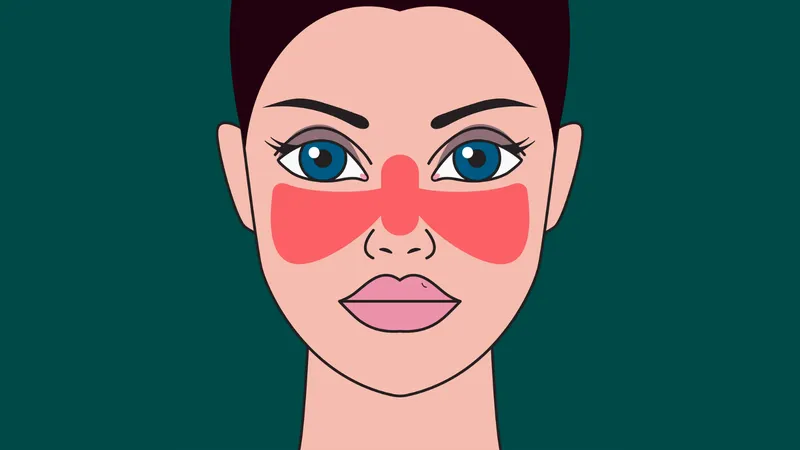
- Chronic diseases such as cancer, obesity, diabetes, or autoimmune disorders (e.g., lupus).
- Prolonged immobility after surgery, injury, or during extended bed rest in elderly or hospitalized patients.
- Certain medications, including chemotherapy agents, hormone therapies (such as birth control pills), or anticoagulants used to treat other blood disorders.
- Vitamin deficiencies — particularly vitamin B6, B12, and folate — which can raise homocysteine levels and increase clotting risk.
- Severe infections, including sepsis, HIV, or COVID-19 (SARS-CoV-2), which can trigger inflammation and disrupt the body’s clotting mechanisms.
Who Is at Risk of Developing a Clotting Disorder?
While anyone can experience a coagulation abnormality, certain individuals are at higher risk due to genetics, health conditions, or lifestyle factors.
High-Risk Groups Include:
- Men (more prone to genetic bleeding disorders such as hemophilia).
- Pregnant women, due to hormonal changes and increased blood coagulability.
- Individuals with a family history of clotting or bleeding disorders.
Factors That Increase the Risk of Clotting Disorders
Age:
- Infants may develop bleeding disorders due to vitamin K deficiency.
- Older adults have higher rates of conditions such as hemophilia A or acquired coagulation defects.
Family history: A parent or sibling with a clotting disorder significantly increases risk.
Underlying diseases: Cancer, autoimmune conditions (like lupus), and liver disease affect clotting factor production and metabolism.
Blood transfusions: Can occasionally introduce antibodies that interfere with normal coagulation.
Obesity: Increases inflammation and venous stasis, promoting thrombosis.
Infections: Viral or bacterial infections can trigger coagulation abnormalities.
Medications: Antibiotics, blood thinners, interferon alfa, and certain hormonal drugs (like oral contraceptives) can alter the clotting process.
Hormonal changes: Pregnancy, childbirth, or hormone replacement therapy can raise the risk of blood clots.
Lack of physical activity: Prolonged sitting or bed rest reduces blood circulation and increases clot formation risk, particularly in the legs.
Diagnosis and Treatment of Blood Clotting Disorders
Diagnostic Methods and Laboratory Tests
Diagnosing a blood clotting disorder requires a comprehensive evaluation of your medical background, family history, and laboratory results. Because clotting disorders can manifest as either bleeding or excessive clotting, doctors often begin with a detailed review of your health history and symptoms to determine the underlying cause.
1. Medical and Family History
Your healthcare provider will typically ask about:
- Personal medical history: Including previous episodes of unusual bleeding, bruising, or blood clots; autoimmune conditions; or recent surgeries and infections.
- Family history: Since many clotting disorders have a genetic component, your doctor may inquire whether any close relatives have experienced similar issues.
2. Diagnostic Tests
To confirm a diagnosis, physicians may recommend several tests, such as:
- Blood tests: To measure the time it takes for your blood to clot (e.g., PT, aPTT, INR tests) and to assess levels of clotting factors or platelets.
- Genetic testing: Helps detect inherited mutations such as Factor V Leiden or prothrombin gene mutations, which increase clotting risk.
- Specialized coagulation studies: In complex cases, tests like fibrinogen assays or D-dimer levels may be performed to assess active clot formation or breakdown.
Early diagnosis is crucial because timely intervention can prevent serious complications like pulmonary embolism or hemorrhage.
Treatment Options for Blood Clotting Disorders
Treatment depends on the type and severity of the disorder. The goal is typically to manage symptoms, reduce risk of complications, and restore balance to the clotting system, as most coagulation disorders cannot be completely cured.
1. Blood Transfusions
For patients who experience significant blood loss, blood transfusions may be required to replace lost blood and maintain adequate circulation.
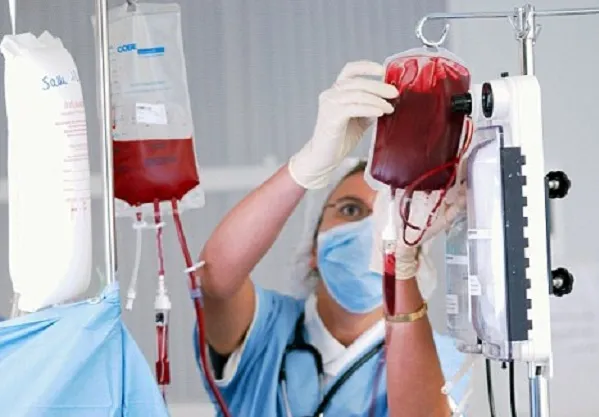
2. Plasma Therapy
If the disorder stems from a deficiency of clotting factors — particularly Factor V or Factor VIII — the standard approach is infusion of fresh frozen plasma to replenish missing components.
3. Factor Replacement Therapy
Patients with inherited factor deficiencies, such as hemophilia, may receive factor concentrates via injection to restore clotting ability. This is known as replacement therapy and remains the cornerstone of hemophilia management.
4. Iron and Vitamin Supplementation
- Iron supplements are prescribed when chronic blood loss leads to iron-deficiency anemia.
- Vitamin K supplements are given to correct deficiencies that impair clot formation, especially in newborns or those on long-term antibiotic therapy.
5. Treating Underlying Conditions
When coagulation disorders are secondary to another disease (e.g., cancer, infection, or autoimmune conditions), treating the primary illness is essential to restore normal coagulation.
Lifestyle and Prevention Strategies for Blood Clotting Disorders
While some causes (like genetic disorders) cannot be prevented, adopting a heart-healthy lifestyle and following medical advice can significantly reduce your risk of complications.
Healthy Lifestyle Habits
A well-designed lifestyle plan for people with coagulation disorders focuses on reducing clot formation and maintaining good circulation. You should always tailor your activities to your condition with your doctor’s guidance.
1. Avoid Tobacco
Smoking damages blood vessels and increases clotting risk. Exposure to secondhand smoke can also raise cardiovascular risks.
2. Stay Physically Active
Regular physical activity — such as walking, swimming, yoga, or light jogging — improves circulation and reduces venous stasis (blood pooling). Consult your doctor to determine a safe level of activity.
3. Maintain a Healthy Weight
Being overweight contributes to inflammation and sluggish blood flow. Work with your healthcare provider to create a personalized diet and exercise plan to achieve or maintain a healthy weight.
4. Follow Medical Preventive Measures
Depending on your specific condition, your doctor may recommend:
- Anticoagulant medication (blood thinners)
- Compression stockings or pneumatic devices to promote circulation
- Routine follow-up testing to monitor blood clotting status
Nutritional Guidance
A balanced diet plays a key role in controlling blood clotting risk and supporting cardiovascular health.
Increase fiber intake: Eat plenty of vegetables, fruits, nuts, seeds, and whole grains.
Include omega-3 fatty acids: Found in fish (salmon, sardines), flaxseeds, and chia seeds — these reduce inflammation and lower blood viscosity.
Limit saturated fats: Replace animal fats and butter with unsaturated fats (olive oil, avocado).
Reduce cholesterol intake: Minimize red meat, organ meats, and high-fat dairy products.
Cut down on sodium: Avoid processed and fast foods. Use herbs and spices instead of salt to flavor meals.
Stay hydrated: Drink adequate water daily to support circulation and prevent blood thickening.
Limit alcohol and caffeine: Excess consumption can interfere with blood clotting and affect cardiovascular health.

Preventing Blood Clotting Disorders
While inherited disorders cannot be prevented, the risk of acquired clotting disorders and complications can be minimized through proactive measures.
Steps to Reduce Clotting Risk
- Eat a balanced, heart-healthy diet: Prioritize fruits, vegetables, and whole grains.
- Exercise regularly: Movement enhances blood flow and prevents clot formation.
- Quit smoking: Over time, tobacco changes platelet behavior, making them more likely to clump together.
- Manage stress: Chronic stress can raise blood pressure and indirectly increase clotting risk.
Avoid Certain Medications
Some drugs — including estrogen-containing contraceptives and hormone replacement therapy — increase the risk of blood clots. Always consult your doctor before starting or stopping any medication, especially if you have a known clotting disorder or risk factors.
⚠️ Important Reminder
If you’re at high risk for developing blood clots — due to recent surgery, prolonged immobility, or hormonal therapy — talk to your doctor about preventive steps such as low-dose anticoagulants or mechanical compression devices during recovery. Early prevention can be the key to saving your life.
