
Swollen Lips: Causes, Symptoms, and Treatment
What Is Lip Swelling?
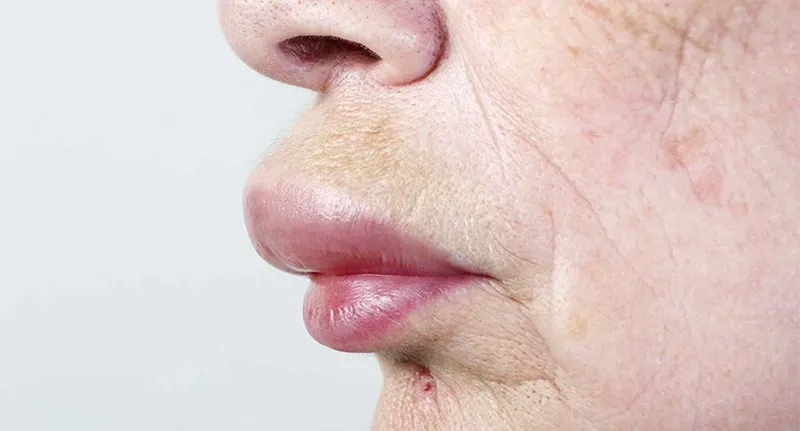
Lip swelling may appear acutely (suddenly) or become a chronic (persistent) issue depending on the underlying cause.
- Acute swelling is often related to allergies, medication reactions, or environmental factors.
- Chronic swelling can be associated with inflammatory or systemic conditions such as granulomatous cheilitis, Crohn’s disease, or Miescher–Melkersson–Rosenthal syndrome.
Overview
Swollen lips can result from various causes, ranging from minor skin irritation to serious allergic or systemic disorders. Understanding the possible triggers and accompanying symptoms can help you determine whether home care is sufficient or if you should seek professional medical evaluation.
This guide outlines common causes, symptoms, and when to see a doctor.
Symptoms of Lip Swelling
Most cases of lip swelling that are non-cancerous or not due to trauma are painless and may or may not be accompanied by itching or redness.
When inflammation is present, the lips may feel tender, warm, or sore.
Although mild swelling is generally harmless, swelling caused by angioedema can lead to life-threatening airway obstruction, especially if it extends to the tongue, throat, or lower respiratory tract.
Types and Common Causes
1. Acute Lip Swelling
This type develops suddenly, often within minutes or hours, and may be due to:
- Allergic reactions – Common triggers include foods (nuts, shellfish), medications, lip care products, insect bites, or airborne allergens.
- Environmental factors – Cold, dry air or excessive sun exposure can irritate and cause swelling.
- Hereditary angioedema (HAE) – A rare genetic disorder causing recurrent swelling of the lips, face, or airways.
- Medication side effects (non-allergic) – Certain drugs, such as ACE inhibitors, calcium channel blockers, or fibrinolytics, can cause fluid buildup leading to swelling.
2. Chronic Lip Swelling
Persistent or recurring swelling may signal an underlying systemic or inflammatory condition, including:
- Acromegaly – Overproduction of growth hormone leading to coarser facial features and enlarged lips or tongue.
- Hypothyroidism – Low thyroid hormone levels causing puffiness or swelling in the face and lips.
- Granulomatous cheilitis – Chronic inflammation of the lips, often associated with Crohn’s disease or sarcoidosis.
- Unrecognized allergen exposure – Continuous contact with an allergen (e.g., toothpaste, metal dental fixtures, or cosmetics) may cause persistent swelling.
When to See a Doctor
Seek immediate medical attention if lip swelling occurs suddenly or is accompanied by:
- Shortness of breath or wheezing
- Swelling of the tongue, throat, or face
- Dizziness or fainting
- Difficulty swallowing or speaking
Causes of Lip Swelling
There are many possible causes of lip swelling, most of which are not serious and may resolve on their own. However, if the swelling is severe, persistent, or accompanied by systemic symptoms (such as difficulty breathing, dizziness, or facial swelling), you should seek medical attention immediately.
Below are the most common causes of swollen lips.
1. Anaphylaxis (Severe Allergic Reaction)
Anaphylaxis is a sudden, severe allergic reaction that can cause lip and facial swelling and may be life-threatening.
Any type of allergy can potentially lead to anaphylaxis, which usually develops within minutes of exposure to the allergen — though in some cases, it may take up to half an hour.
During anaphylaxis, the body releases large amounts of immune chemicals, including histamine, which can trigger shock by causing blood pressure to drop and airways to constrict.
Common symptoms of anaphylaxis include:
- Sudden drop in blood pressure
- Tightness in the chest or airways
- Swelling of the tongue and throat
- Weak and rapid pulse
- Dizziness or fainting
This condition is a medical emergency — immediate treatment with epinephrine (adrenaline) and emergency care is required.
2. Allergic Reactions
Allergic reactions occur when the immune system overreacts to a harmless substance. Upon exposure to an allergen, the body releases histamine, leading to inflammation, itching, and swelling — including of the lips.
Common allergens that can cause lip swelling include:
- Environmental allergens: pollen, pet dander, dust mites, or mold spores
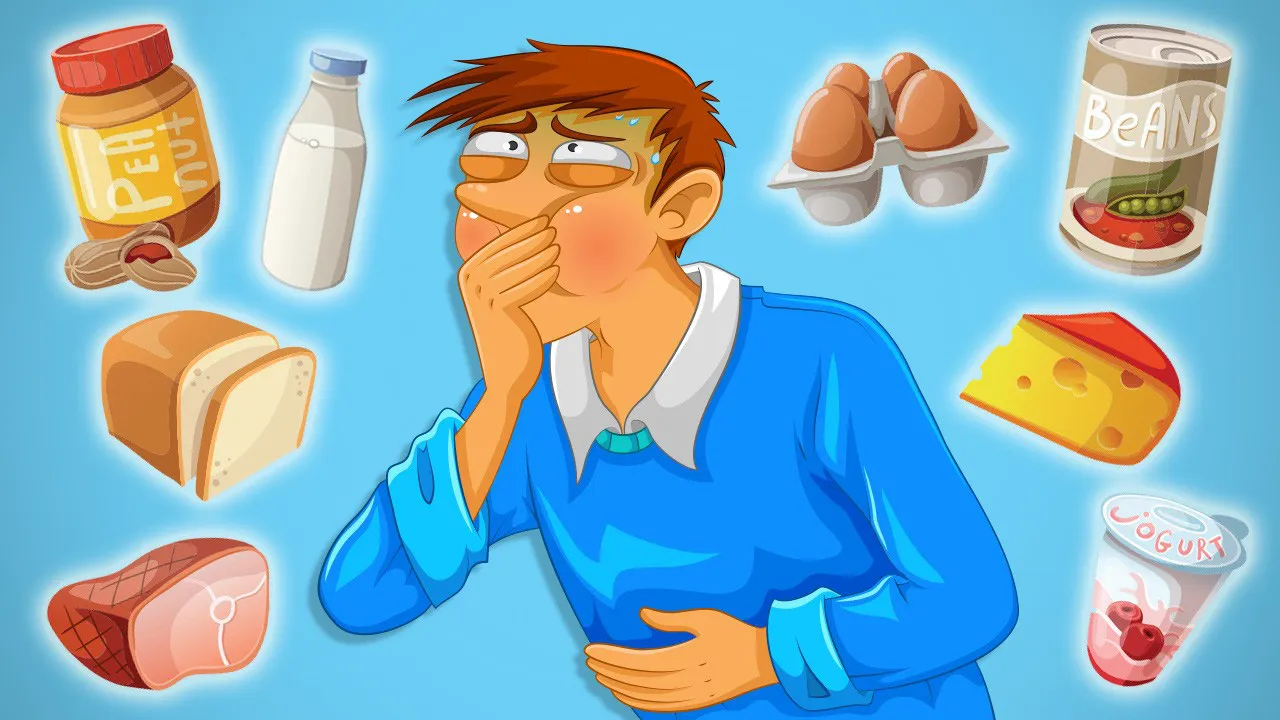
- Food allergies: peanuts, shellfish, eggs, milk, or soy
- Insect stings or bites
- Medication allergies
According to the American College of Allergy, Asthma, and Immunology (ACAAI), penicillin is one of the most frequent causes of drug-related allergies, affecting up to 10% of patients.
Other potential culprits include:
- Cephalosporins and quinolones (antibiotics)
- NSAIDs (nonsteroidal anti-inflammatory drugs)
- Anticonvulsants
- Certain chemotherapy drugs used in cancer treatment
3. Angioedema
Angioedema is a short-term condition characterized by deep swelling beneath the skin, typically affecting the lips, eyelids, or face.
It may result from an allergic reaction, non-allergic drug response, or genetic disorder such as hereditary angioedema (HAE).
Symptoms usually last one to two days and may include:
- Rapid swelling of the lips or face
- Mild discomfort or tightness under the skin
- In some cases, abdominal pain or throat swelling (in hereditary cases)
While mild angioedema can resolve spontaneously, severe or recurrent episodes require medical evaluation to prevent airway obstruction or recurrence.
4. Trauma or Injury
Physical injury to the face, lips, or jaw — from accidents, sports, dental procedures, or even cosmetic injections — can lead to temporary swelling due to inflammation or fluid accumulation.
Applying a cold compress can help reduce swelling, but medical assessment is recommended if bruising, bleeding, or persistent pain occurs.
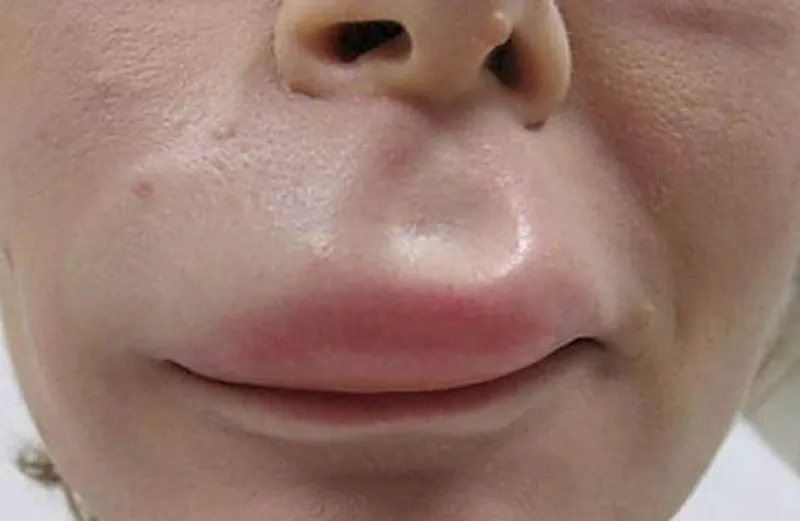
5. Granulomatous Cheilitis
This is a rare chronic inflammatory condition that causes painless, persistent lip swelling.
It is believed to result from a delayed hypersensitivity reaction, and may occur alone or in association with systemic conditions such as Crohn’s disease or sarcoidosis.
Diagnosis is often confirmed through biopsy and other tests to identify granulomatous inflammation.
6. Miescher–Melkersson–Rosenthal Syndrome (MMRS)
This is a rare neurological disorder characterized by recurrent or persistent lip swelling, facial nerve weakness (facial palsy), and fissured tongue.
The exact cause remains unclear, but genetic factors are believed to play a role, as cases have been observed in identical twins and families.
Management focuses on reducing inflammation and addressing associated neurological symptoms.
Risk Factors for Lip Swelling
Who Is at Risk?
Individuals with a history of allergies — such as hay fever, asthma, eczema, or food allergies — are more likely to experience lip swelling.
Factors That Increase Risk
Several factors can make lip swelling more likely:
- Repeated exposure to a known or suspected allergen
- Genetic predisposition to allergic or inflammatory conditions
- Use of certain medications that may cause fluid retention or hypersensitivity
- Environmental triggers, including extreme weather or irritants such as smoke or pollution
Diagnosis and Treatment of Lip Swelling
Diagnostic Methods
When you visit a doctor for lip swelling, they will begin with a thorough medical history and physical examination. Providing detailed information about your allergy history, current medications, and recent exposures (foods, cosmetics, insect bites, etc.) is crucial for an accurate diagnosis.
The first priority in any case of lip swelling is to assess and secure the airway, especially if breathing difficulties are present. Once life-threatening causes such as anaphylaxis are ruled out, your doctor will investigate potential allergens, infections, or systemic diseases that might be contributing to the swelling.
Treatment Overview
Treatment focuses on:
- Identifying and removing the underlying cause, and
- Managing inflammation or allergic response.
For allergic-related lip swelling, topical corticosteroid creams or anti-inflammatory ointments may be prescribed — but only under a doctor’s supervision.
In rare cases of chronic or deforming swelling, surgical reduction of excess lip tissue can be considered for cosmetic or functional improvement.
Effective Treatment Options
The treatment approach depends on the underlying cause of lip swelling. Once the trigger is identified and eliminated, the lips usually return to normal within a short time.
1. Anaphylaxis (Severe Allergic Reaction)
If symptoms of anaphylaxis occur — such as breathing difficulty, throat tightness, or fainting — seek emergency care immediately.
Doctors will administer epinephrine (adrenaline) right away, followed by oxygen, intravenous fluids, and close monitoring.
2. Mild Allergic Reactions
For mild allergic swelling, antihistamines (oral or injectable) are usually effective in reducing symptoms.
If allergic episodes are frequent or severe, an allergist may recommend immunotherapy (allergy shots) to desensitize your immune system over time.
If swelling occurs after taking penicillin or another medication, stop using the drug immediately and consult your doctor or pharmacist for safe alternatives.
3. Lip Injury or Trauma
If lip swelling results from an injury, gently clean the wound with mild soap and water, and apply pressure with a clean cloth to stop bleeding.
Placing a cold compress or ice pack (wrapped in cloth) on the affected area for 10–15 minutes can help reduce inflammation.
Most minor injuries heal on their own, but you should see a doctor if:
- The wound is large or deep
- The injury was caused by an animal bite
- Pain or swelling worsens
- There are signs of infection (pus, warmth, fever)
4. Angioedema
Most cases of angioedema are mild and resolve within a few days. If it is triggered by an allergy, antihistamines can help relieve symptoms.
If angioedema is caused by medication side effects, talk to your doctor or pharmacist — they may recommend an alternative treatment or adjust your prescription.
5. Chronic or Refractory Swelling
For persistent swelling due to inflammatory conditions (e.g., granulomatous cheilitis or Miescher–Melkersson–Rosenthal syndrome), treatment may involve:
- Corticosteroids (topical or oral)
- Immunosuppressive medications
- Surgical correction, if swelling affects appearance or function
Lifestyle Tips and Prevention
Certain daily habits can help you manage and prevent recurrent lip swelling.
Lifestyle Recommendations
Follow your doctor’s instructions carefully during treatment.
Contact your physician immediately if you experience unusual symptoms such as fatigue, dizziness, or breathing difficulty.
Schedule regular check-ups to monitor your condition and adjust treatment if swelling persists or recurs.
Dietary Guidelines
Avoid foods, medications, or substances that have previously triggered allergic reactions.
If you have a food allergy, always check ingredient labels carefully before eating packaged or restaurant foods.
Consult a dietitian or allergist for a safe, personalized meal plan that meets your nutritional needs while avoiding allergens.
If you have a known drug allergy, record the name of the medication and carry an allergy alert card. Always inform your doctor or pharmacist before starting any new medication.
How to Prevent Lip Swelling
To effectively reduce the risk of lip swelling:
- Avoid known allergens or irritants such as specific foods, medications, or cosmetics.
- Protect your lips from environmental factors — use lip balm with SPF to prevent dryness and sunburn.
- Maintain good hydration and skin hygiene.
- Seek prompt medical attention for any new or worsening symptoms.
