
Food Allergy: Symptoms, Causes, and Treatment
Understanding Food Allergies
A food allergy occurs when the immune system misinterprets a normally harmless food as a threat. Upon exposure — even in very small amounts — the body releases chemicals such as histamine, triggering a cascade of allergic symptoms.
In mild cases, these symptoms might include itching, hives, or mild digestive discomfort. However, in others, the response can escalate rapidly to severe breathing difficulty or anaphylaxis, which requires immediate medical attention.
Globally, food allergies affect approximately 8% of children under 5 years old and up to 4% of adults. While there is currently no permanent cure, many children may outgrow their allergies as their immune systems mature.
It is important to distinguish food allergies from food intolerances — a much more common but less serious condition. Food intolerance involves difficulties digesting certain foods (like lactose intolerance) and does not involve the immune system. The key difference is that intolerances cause discomfort, while allergies can be life-threatening.
Diagnosis usually involves:
- A detailed clinical history and symptom evaluation,
- Specific IgE blood testing to detect allergic antibodies,
- Or a skin prick test to identify the trigger allergen.
Treatment primarily focuses on strict avoidance of the offending food and, in some cases, the use of medications such as antihistamines or cromolyn sodium to manage symptoms.
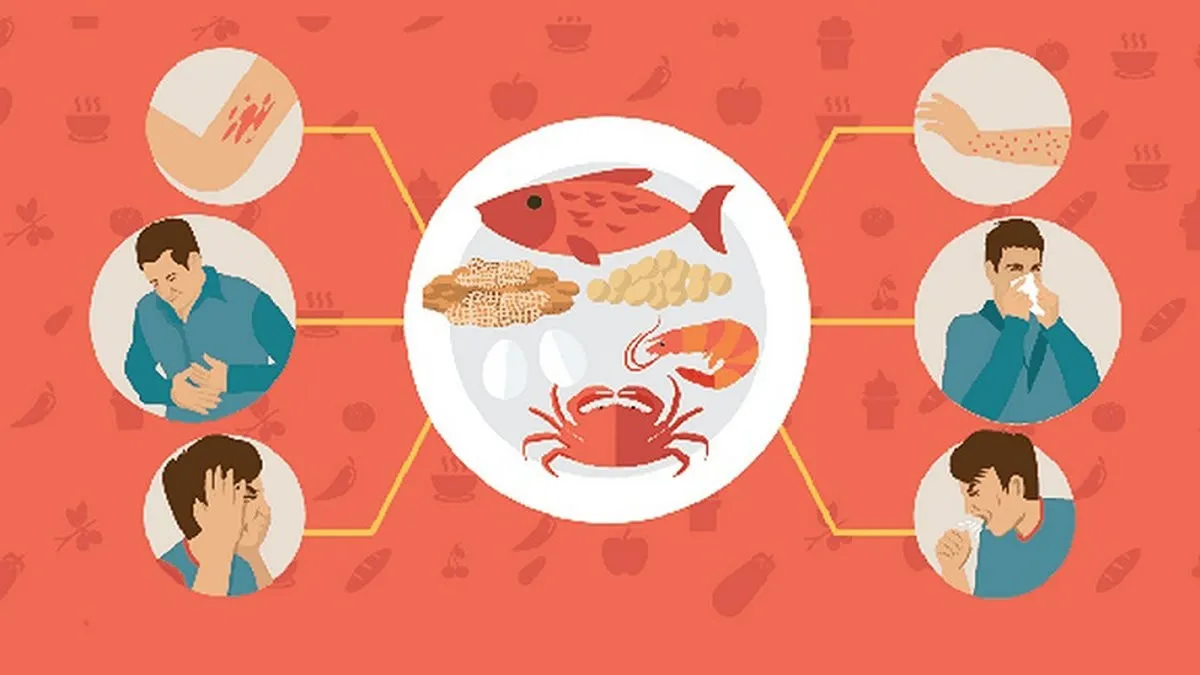
Common Symptoms of Food Allergy
Food allergy symptoms typically appear within minutes to two hours after eating the allergenic food. In rare cases, symptoms may be delayed for several hours.
Mild to Moderate Symptoms
- Tingling or itching sensation in the mouth or throat
- Red, itchy skin rashes or eczema flare-ups
- Swelling of the lips, face, tongue, or throat
- Nasal congestion, wheezing, or shortness of breath
- Gastrointestinal symptoms: abdominal pain, diarrhea, nausea, or vomiting
- Dizziness or lightheadedness

Severe Symptoms — Anaphylaxis
In some individuals, exposure can trigger anaphylaxis, a medical emergency that requires immediate treatment with epinephrine (adrenaline).
Signs of anaphylaxis include:
- Tightening or constriction of the airways
- Swelling in the throat or a feeling of a “lump” that makes breathing difficult
- A sudden, severe drop in blood pressure
- Rapid heartbeat
- Confusion, fainting, or loss of consciousness
Without urgent intervention, anaphylaxis can lead to coma or death within minutes.
Possible Complications
- Anaphylactic shock — a potentially fatal reaction requiring emergency care
- Atopic dermatitis (eczema) — people with eczema have a higher risk of developing food allergies, and vice versa
When to See a Doctor
Seek medical attention immediately if you or someone else develops any of the following after eating:
- Swelling of the face or throat
- Difficulty breathing or swallowing
- Rapid pulse or feeling faint
Additional Insights: Prevention and Long-Term Management
While food allergies cannot yet be cured, proactive management can greatly improve quality of life:
- Read food labels carefully — allergens may be hidden in processed foods.
- Educate family and caregivers — especially for children with known allergies.
- Carry emergency medication at all times.
- Consider oral immunotherapy (OIT) under specialist supervision — a treatment approach that gradually desensitizes the immune system to small amounts of allergens.
Emerging research also explores the role of gut microbiota in allergy development, suggesting that maintaining a balanced diet rich in fiber and probiotics might help support immune tolerance.
Causes of Food Allergy
A food allergy occurs when the immune system misidentifies a harmless food substance as a threat. In response, the body’s plasma cells produce antibodies known as immunoglobulin E (IgE) to neutralize what it mistakenly perceives as a harmful invader.
The next time the individual eats even a small amount of that food, these IgE antibodies recognize it and signal the immune system to release histamine and other chemicals into the bloodstream. This chemical reaction is what causes the itching, swelling, rashes, breathing difficulties, or digestive symptoms typical of an allergic reaction.
Common Food Triggers
Most food allergies are caused by a few specific proteins found in common foods. The eight most frequent culprits include:
- Shellfish: shrimp, crab, lobster, crayfish
- Peanuts
- Tree nuts: walnuts, pecans, almonds, pine nuts, cashews, pistachios
- Fish
- Eggs
- Cow’s milk
- Wheat
- Soybeans
These foods account for about 90% of all food allergy reactions worldwide. Even trace exposure — such as cross-contamination in cooking utensils or shared equipment — can trigger a reaction in sensitive individuals.
Pollen-Food Allergy Syndrome (Oral Allergy Syndrome)
Some people who suffer from seasonal allergic rhinitis (hay fever) also experience cross-reactive allergic reactions when eating certain raw fruits, vegetables, or nuts. This condition, called pollen-food allergy syndrome (PFAS) or oral allergy syndrome, occurs because proteins in these foods resemble those found in pollen.
When the immune system confuses these similar proteins, it triggers allergic symptoms such as itching or swelling of the mouth, lips, or throat, and occasionally, anaphylaxis.
Typical Cross-Reactions Between Pollen and Foods
| If allergic to pollen from… | You may also react to these foods: |
| Birch tree | Almond, apple, apricot, carrot, celery, cherry, chestnut, peach, peanut, pear, plum, raw potato, soybean, certain herbs and spices (anise, black pepper, coriander, dill, mustard, etc.) |
| Ragweed | Banana, cucumber, melon (cantaloupe, honeydew, watermelon), zucchini |
| Grass | Kiwi, orange, peanut, tomato, white potato, zucchini |
| Mugwort (Artemisia) | Apple, bell pepper, broccoli, cabbage, carrot, cauliflower, celery, garlic, onion, peach, certain herbs and spices (anise, black pepper, coriander, dill, mustard, etc.) |
Symptoms are typically triggered by raw or fresh foods, as heat during cooking often denatures the allergenic proteins, making them less likely to cause reactions.
Exercise-Induced Food Allergy
A rare but serious condition known as exercise-induced food-dependent anaphylaxis (FDEIA) occurs when allergic symptoms are triggered by physical activity shortly after eating certain foods.
People with this condition may develop itching, dizziness, hives, or even anaphylaxis when they exercise within a few hours of consuming the trigger food.
Avoiding these foods and not eating for several hours before exercise can help prevent episodes.
Food Intolerance and Other Non-Allergic Reactions
Food intolerance is often confused with food allergy, but it involves the digestive system rather than the immune system. While symptoms such as nausea, bloating, or diarrhea may overlap, intolerances are generally less severe and do not cause anaphylaxis.
People with food intolerance can often tolerate small amounts of the food, whereas those with true food allergies may react to even a trace amount.
Common Non-Allergic Food Reactions
1. Enzyme Deficiencies
A lack of certain digestive enzymes can cause symptoms resembling food allergy.
- The most common example is lactose intolerance, where the body lacks enough lactase to break down lactose, the main sugar in milk.
- This leads to bloating, cramps, gas, and diarrhea after consuming dairy products.
2. Food Poisoning
Bacterial toxins in improperly stored or contaminated food can produce nausea, vomiting, or diarrhea, mimicking an allergic reaction.
However, food poisoning is caused by microbial toxins, not by the immune system.
3. Sensitivity to Food Additives
Some individuals are sensitive to preservatives, colorants, or flavor enhancers.
- For instance, sulfites, commonly used in dried fruits, canned foods, and wine, can trigger asthma attacks or allergic-like symptoms in sensitive people.
4. Histamine Toxicity (Scombroid Poisoning)
Certain fish, such as tuna or mackerel, can accumulate high levels of histamine if not properly refrigerated.
Eating such fish can cause flushing, headache, itching, and gastrointestinal upset, resembling a food allergy. This is known as histamine toxicity or scombroid poisoning.
5. Celiac Disease
Sometimes mistaken for a wheat allergy, celiac disease is actually an autoimmune disorder.
When people with celiac disease eat gluten — a protein found in wheat, barley, and rye — their immune system attacks the lining of the small intestine, leading to nutrient malabsorption, chronic inflammation, and long-term health issues.
Unlike typical food allergies, celiac disease does not cause anaphylaxis, but it requires lifelong adherence to a strict gluten-free diet.
Risk Factors for Food Allergy
Who Is at Risk?
Anyone can develop a food allergy, but it is most common in children, especially infants and toddlers whose immune and digestive systems are still developing. However, adults can also develop food allergies later in life, even to foods they previously tolerated.
Factors That Increase the Risk of Food Allergy
Several biological and environmental factors can predispose an individual to develop food allergies:
1. Family History
Genetics play a major role. If one or both parents have asthma, eczema, hay fever, or other allergic diseases, their children are more likely to develop food allergies. This hereditary tendency to produce IgE antibodies in response to allergens is known as atopy.
2. Other Allergic Conditions
People who already have one allergic condition — such as allergic rhinitis (hay fever), eczema (atopic dermatitis), or asthma — are more likely to develop food allergies. Likewise, individuals allergic to one food may be prone to develop reactions to related foods due to cross-reactivity.
3. Age
Food allergies are most frequent in infants and young children. The digestive system at this stage allows larger protein molecules to pass through, increasing exposure to potential allergens.
As children grow, their gut barrier and immune tolerance mature, and many may outgrow allergies to milk, soy, wheat, or eggs.
However, allergies to peanuts, tree nuts, fish, and shellfish are more likely to persist into adulthood.
4. Asthma
Asthma and food allergies often coexist, and having both conditions increases the risk of severe or fatal allergic reactions. Asthmatic individuals must be especially vigilant when exposed to known allergens.
Diagnosis of Food Allergy
Diagnosing a food allergy requires careful clinical evaluation and sometimes multiple tests to confirm the cause and rule out other conditions.
1. Medical History and Symptom Review
A doctor will ask detailed questions about:
- The foods suspected to cause symptoms
- The amount consumed and time of onset
- Family history of allergies
- Any associated conditions (eczema, asthma, hay fever, etc.)
2. Physical Examination
A general health examination can help identify other conditions that mimic food allergy symptoms, such as digestive or dermatological disorders.
3. Skin Prick Test
A small amount of the suspected allergen is placed on the forearm or back and gently pricked with a needle.
If the person is allergic, a raised bump or hive will appear within 15–20 minutes.
While useful, a positive skin test does not confirm an allergy on its own; it only shows sensitization.
4. Blood Test (Specific IgE Test)
This test measures the level of IgE antibodies produced in response to specific foods.
Higher IgE levels may indicate a stronger allergic tendency, but results must be interpreted in the context of clinical symptoms.
5. Elimination Diet
Under medical supervision, the suspected food is removed from the diet for one to two weeks, then gradually reintroduced to observe for recurrence of symptoms.
This method helps identify triggers but should be avoided if the person has previously experienced severe reactions.
6. Oral Food Challenge
The gold standard for diagnosis, this test is performed in a medical facility.
The patient consumes gradually increasing amounts of the suspected food under close monitoring.
If no reaction occurs, the food is likely safe to eat again.
Due to the risk of anaphylaxis, this test must only be performed under strict medical supervision.
Treatment of Food Allergy
There is currently no cure for food allergy, but symptoms can be managed and the risk of severe reactions reduced through several approaches.
1. Avoidance of Allergenic Foods
The cornerstone of treatment is strict avoidance of the identified allergens.
Reading food labels carefully and being cautious with restaurant meals are essential preventive habits.
2. Oral Immunotherapy (Desensitization)
A new and promising approach involves gradual exposure to small doses of the allergen to build tolerance over time.
For example, a peanut powder formulation (Arachis hypogaea) is approved for children aged 4–17 years with peanut allergy.
Treatment begins with five increasing doses (0.5–6 mg) on the first day, followed by dose escalation every two weeks for about 22 weeks until a maintenance dose of 300 mg daily is reached.
Even after desensitization, patients must continue daily therapy and maintain a peanut-free diet, but this method significantly reduces the risk of accidental severe reactions.
3. Medications
- Oral cromolyn sodium: may help reduce allergic gastrointestinal symptoms by stabilizing mast cells.
- Antihistamines: useful for mild symptoms like hives or itching, but not effective for preventing severe reactions.
- Corticosteroids: beneficial for chronic allergic inflammation, especially in eosinophilic gastrointestinal diseases.
Patients with severe allergies should always carry:
- An oral antihistamine, to take immediately when a reaction begins.
- An epinephrine auto-injector (EpiPen), to use in case of anaphylaxis.
After using epinephrine, the patient should still seek emergency medical care immediately.
Lifestyle and Prevention
Healthy Habits for Managing Food Allergies
- Follow your doctor’s instructions carefully and report any unusual symptoms during treatment.
- Have regular check-ups to monitor progress and adjust treatment as needed.
- Stay positive — stress can worsen allergic conditions and lower immune balance.
- Keep a written list of foods that cause reactions, and inform family, friends, and coworkers.
- Read labels thoroughly before eating packaged or processed foods.
Dietary Guidance
Avoid or limit foods known to commonly trigger allergies, such as:
- Cow’s milk
- Soy
- Peanuts, tree nuts (macadamia, pine nuts, walnuts, cashews)
- Eggs
- Shellfish (shrimp, crab, lobster)
- Mollusks (clams, oysters, scallops, squid, octopus)
Effective Prevention Strategies
- Always check ingredient lists and ask about food preparation methods.
- Inform others (family, teachers, restaurant staff) about your allergy.
- Discuss with your doctor whether you need a prescription for emergency epinephrine.
- Be cautious when dining out — communicate your allergy clearly to staff and chefs.
- For children, ensure caregivers or school personnel know how to respond in case of an allergic reaction.
Food allergies can be unpredictable and, in some cases, life-threatening. Understanding your personal risk factors, recognizing symptoms early, and maintaining strict avoidance of trigger foods are the most effective ways to prevent serious complications.
With appropriate diagnosis, treatment, and awareness, people with food allergies can still live safe, healthy, and full lives.
