
Churg-Strauss Syndrome (Eosinophilic Granulomatosis With Polyangiitis – EGPA): Causes, Symptoms, and Treatment
What Is Churg-Strauss Syndrome?
Churg-Strauss Syndrome, medically known as Eosinophilic Granulomatosis with Polyangiitis (EGPA), is a rare autoimmune disorder characterized by inflammation of the blood vessels — a condition called vasculitis. This inflammation restricts blood flow to vital organs and tissues, potentially leading to long-term damage.
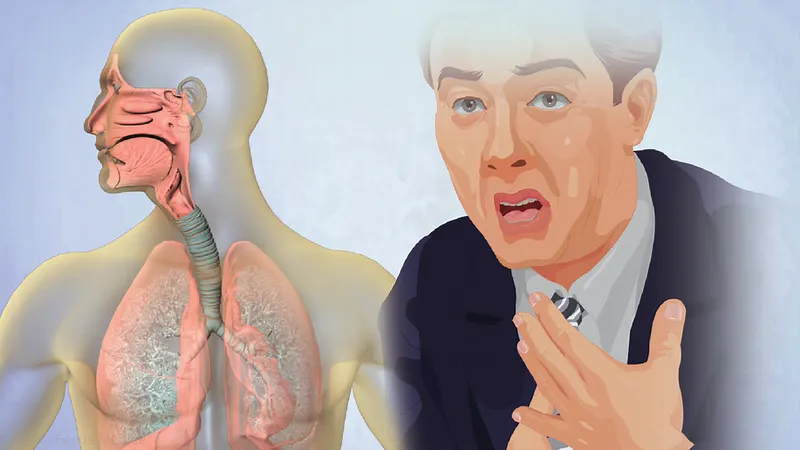
A hallmark feature of Churg-Strauss Syndrome is the onset of adult asthma, often in individuals who previously had no respiratory issues. The condition may also cause nasal allergies, sinusitis, skin rashes, gastrointestinal bleeding, and numbness or pain in the limbs.
Although there is no known cure, early diagnosis and appropriate treatment can help control inflammation, manage symptoms, and prevent life-threatening complications.
Overview
Churg-Strauss Syndrome is a multisystem inflammatory disease that primarily affects the lungs but may also involve the skin, nerves, kidneys, gastrointestinal tract, and heart. The disease is marked by an abnormal increase in eosinophils — a type of white blood cell that plays a role in allergic reactions and immune defense.
In EGPA, these eosinophils accumulate excessively, leading to inflammation and the formation of granulomas (clusters of immune cells) in blood vessels and tissues.
Most patients have a history of asthma or chronic allergies before the onset of vasculitis. Common non-specific symptoms include:
- Fever and fatigue
- Unexplained weight loss
- Loss of appetite
- Muscle and joint pain
Without timely treatment, EGPA can cause serious organ damage and even become life-threatening due to impaired blood supply to vital organs.
Symptoms of Churg-Strauss Syndrome
Symptoms vary depending on which organs are affected and may range from mild to severe. The disease often progresses in stages, beginning with allergic symptoms and potentially advancing to systemic inflammation.
Common signs and symptoms include:
- Asthma or worsening asthma attacks
- Chronic sinusitis or nasal polyps
- High eosinophil counts in blood tests
- Loss of appetite and unintended weight loss
- Joint or muscle pain
- Abdominal pain and gastrointestinal bleeding
- Skin rash, nodules, or ulcers
- Numbness, tingling, or burning sensations in the limbs due to nerve inflammation
Possible Complications
Churg-Strauss Syndrome can affect nearly every organ system if not treated promptly. The most common complications include:
- Peripheral neuropathy: Nerve damage causing numbness, pain, or weakness in hands and feet.
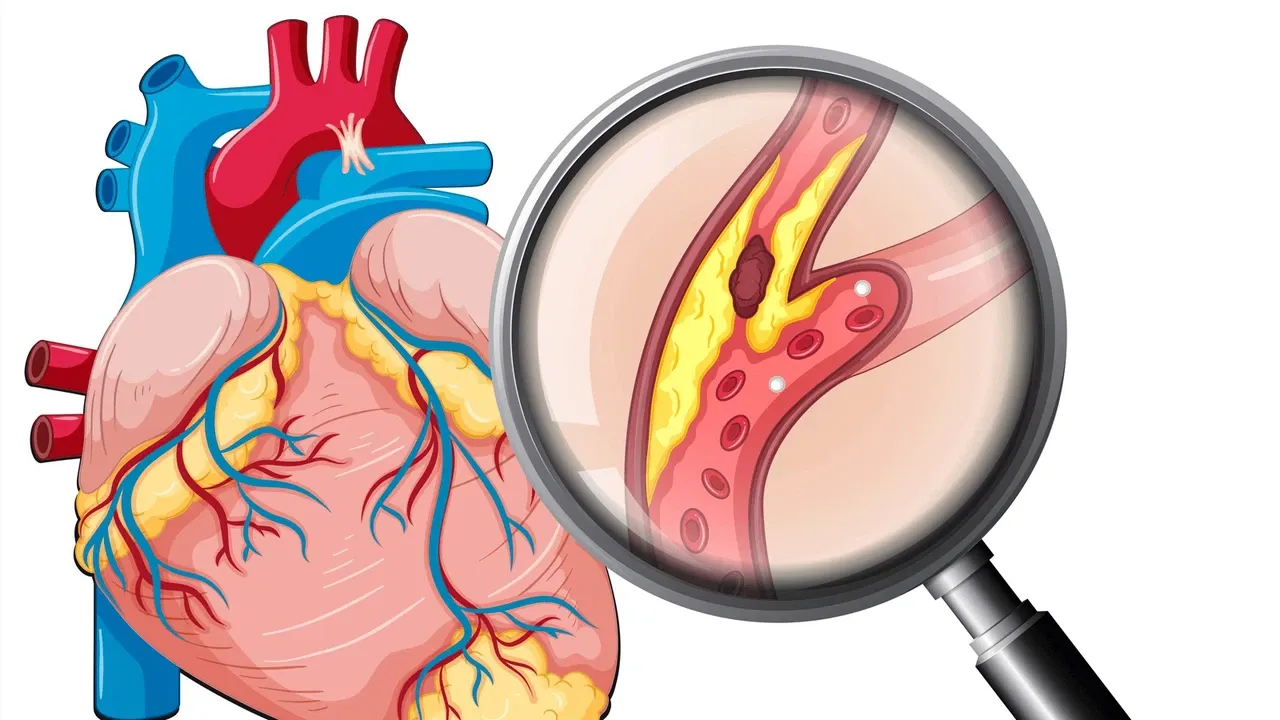
- Heart disease: Inflammation of the heart muscle (myocarditis), lining (pericarditis), or coronary arteries can lead to heart failure or heart attack.
- Kidney involvement: Vasculitis may damage kidney filters, leading to glomerulonephritis — a condition that impairs waste removal and can cause kidney failure.
- Gastrointestinal bleeding: Due to inflammation of intestinal blood vessels.
When to See a Doctor
You should see a healthcare provider if you experience:
- Persistent shortness of breath or worsening asthma
- Chronic nasal congestion or sinus pain that doesn’t improve
- Unexplained fatigue, skin lesions, or nerve pain
Causes, Risk Factors, Diagnosis, and Treatment of Churg-Strauss Syndrome (EGPA)
Causes of Churg-Strauss Syndrome
The exact cause of Churg-Strauss Syndrome (Eosinophilic Granulomatosis with Polyangiitis – EGPA) remains unclear. However, researchers believe that it results from a complex interaction between genetic predisposition and environmental triggers.
In susceptible individuals, exposure to certain allergens, toxins, or medications may provoke an overactive immune response. Instead of targeting harmful invaders, the immune system mistakenly attacks healthy blood vessels and tissues, leading to widespread inflammation (systemic vasculitis).
This chronic inflammatory process damages small- and medium-sized blood vessels over time, restricting blood flow to vital organs such as the lungs, heart, kidneys, and nerves.

Who Is at Risk of Developing Churg-Strauss Syndrome?
Churg-Strauss Syndrome can occur in both men and women of any age, though it most commonly affects adults between 38 and 54 years old.
Risk Factors
Several factors may increase the likelihood of developing Churg-Strauss Syndrome, including:
- A history of chronic allergies such as allergic rhinitis or sinusitis
- Long-standing asthma or adult-onset asthma
- Possible exposure to certain medications (for example, leukotriene inhibitors used in asthma treatment)
- Genetic or autoimmune tendencies
While EGPA is rare, individuals with persistent respiratory allergies or asthma should have regular medical checkups to detect potential complications early.
Diagnosis of Churg-Strauss Syndrome
Diagnosing EGPA can be challenging because its symptoms often resemble other allergic or autoimmune diseases. A combination of clinical evaluation, laboratory testing, and imaging is required to confirm the diagnosis.
Common Diagnostic Tests Include:
Blood tests: Used to detect elevated levels of eosinophils and specific antibodies (such as ANCA – antineutrophil cytoplasmic antibodies) that support a diagnosis of vasculitis.
Note: Elevated eosinophils can also appear in infections or other allergic disorders, so this finding alone is not diagnostic.
Imaging tests: Chest X-rays or CT scans help identify inflammation, nodules, or infiltrates in the lungs and sinus cavities.
Echocardiogram: Recommended if there are signs of heart involvement such as chest pain, shortness of breath, or arrhythmias.
Tissue biopsy: A small sample of affected tissue — often from the skin, lungs, or muscles — may be taken to confirm vasculitis and rule out other conditions.
The biopsy helps visualize granulomas, eosinophil infiltration, and blood vessel inflammation, which are hallmark signs of EGPA.
Effective Treatment Options for Churg-Strauss Syndrome
Although there is no definitive cure for EGPA, current treatments focus on controlling inflammation, suppressing abnormal immune activity, and preventing organ damage.
The treatment plan depends on the severity of the disease and which organs are involved.
1. Corticosteroids
Corticosteroids (e.g., prednisone) are the cornerstone of EGPA management. These anti-inflammatory drugs quickly reduce inflammation and help relieve symptoms such as wheezing, joint pain, and fatigue.
- High doses may be used initially to control active inflammation.
- Once symptoms improve, the dose is gradually reduced to minimize side effects.
Possible side effects of long-term or high-dose corticosteroid use include:
- Osteoporosis (bone thinning)
- Elevated blood sugar
- Weight gain and fluid retention
- Cataracts
- Increased susceptibility to infections
2. Immunosuppressive Medications
For patients with severe disease or inadequate response to corticosteroids alone, additional immunosuppressive drugs are prescribed to further calm the overactive immune system.
Common options include:
- Azathioprine
- Methotrexate
- Cyclophosphamide
- Rituximab
- Benralizumab
These medications help prevent further organ damage but can lower the body’s immune defenses, increasing the risk of infection and other complications. Regular monitoring of blood counts and liver function is essential during therapy.

3. Biologic Therapy
Mepolizumab, a biologic drug that targets interleukin-5 (IL-5), is currently the only FDA-approved medication specifically indicated for Churg-Strauss Syndrome (EGPA).
It works by reducing eosinophil levels, thereby controlling inflammation and improving asthma symptoms.
In some cases, biologics like benralizumab or rituximab may also be used off-label depending on disease severity and patient response.
Monitoring and Long-Term Care
Because Churg-Strauss Syndrome is chronic and may relapse, regular follow-up appointments are vital. Patients should undergo:
- Routine blood tests to check eosinophil levels
- Imaging to monitor lung and heart health
- Adjustments in medication doses as needed
Maintaining a healthy lifestyle, managing allergies, avoiding smoking, and promptly reporting new symptoms to your doctor can help improve long-term outcomes.
Lifestyle and Prevention Tips for Managing Churg-Strauss Syndrome (EGPA)
Healthy Habits to Help Manage Churg-Strauss Syndrome
Living with Churg-Strauss Syndrome (Eosinophilic Granulomatosis with Polyangiitis – EGPA) requires long-term care and lifestyle adjustments to minimize complications and maintain overall well-being. While there is currently no known way to prevent the disease entirely, adopting healthy daily habits can help slow disease progression and improve quality of life.
1. Follow Your Doctor’s Instructions Carefully
Strictly adhere to your treatment plan and never stop taking prescribed medications — especially corticosteroids or immunosuppressants — without consulting your healthcare provider.
Regular follow-up appointments and blood tests are essential to monitor disease activity and adjust medication doses safely.
2. Stay Physically Active
Exercise plays a vital role in maintaining overall health, improving circulation, and supporting bone strength.
- Low-impact activities such as walking, light jogging, swimming, or yoga can help maintain flexibility and reduce fatigue.
- Regular movement also helps manage weight gain that may occur due to corticosteroid use.
Always discuss your exercise plan with your doctor before starting, especially if you have heart, joint, or nerve involvement from EGPA.
3. Maintain a Nutritious, Balanced Diet
A healthy diet helps your body recover, strengthens the immune system, and minimizes medication side effects.
- Eat plenty of fresh fruits, vegetables, and whole grains to support digestion and heart health.
- Limit processed foods, excess salt, and sugar, especially if you have steroid-induced high blood sugar or hypertension.
- Include lean proteins such as fish, chicken, tofu, or legumes to support muscle repair.
- Stay well-hydrated and avoid alcohol or smoking, as these can worsen inflammation and cardiovascular stress.
4. Manage Stress and Prioritize Rest
Emotional stress and poor sleep can weaken your immune system and trigger symptom flares.
Try to:
- Practice relaxation techniques like deep breathing, meditation, or gentle stretching.
- Maintain a consistent sleep schedule and create a calm bedtime environment.
- Join a support group or speak with a counselor if you feel overwhelmed by your condition.
5. Preventing Flare-Ups and Disease Recurrence
Although there is no guaranteed way to prevent Churg-Strauss Syndrome, you can reduce flare-up risks by taking proactive steps:
- Educate yourself about your condition — understanding the symptoms and potential complications helps you take early action.
- Avoid exposure to respiratory irritants such as cigarette smoke, dust, and chemical fumes.
- Stay up to date with vaccinations, particularly against influenza and pneumonia, after consulting your physician.
- Report new or worsening symptoms (e.g., shortness of breath, rash, nerve pain, or fatigue) to your doctor immediately.
- Monitor medication side effects and never adjust dosages on your own.

Living with Churg-Strauss Syndrome requires patience, consistent medical care, and lifestyle discipline. By maintaining a balanced diet, staying active, managing stress, and following medical advice, you can significantly improve your overall health and reduce the risk of serious complications.
