
Anaphylaxis: Causes, Symptoms, and Emergency Management
Anaphylaxis is a severe, potentially life-threatening systemic allergic reaction. It is characterized by its rapid onset and ability to affect multiple organ systems simultaneously. This critical condition is primarily mediated by Immunoglobulin E (IgE) and typically occurs in individuals previously sensitized to a specific allergen.
Key symptoms range from respiratory distress and wheezing to sudden hypotension (a rapid drop in blood pressure) and circulatory collapse. Immediate treatment involves the administration of epinephrine (adrenaline) and supportive emergency measures to maintain airway, breathing, and circulation (ABC).
Understanding Anaphylactic Shock
Anaphylaxis represents the most extreme form of an allergic reaction. When the body encounters an allergen—such as certain foods, insect venom, or medications—the immune system launches an overwhelming response. This involves the massive, sudden release of potent chemical mediators (like histamine and leukotrienes) from mast cells and basophils.
This chemical cascade leads to a dramatic systemic reaction:
- Vasodilation and Capillary Leakage: Widespread dilation of blood vessels and increased permeability cause fluid to rapidly leak out of the circulation into surrounding tissues. This results in edema (swelling) and a sudden, severe drop in blood pressure (shock).
- Airway Constriction: Spasm and swelling of the bronchial tubes and throat tissues can quickly lead to airway obstruction and suffocation.
Untreated, this condition can be fatal within minutes.
The Pathophysiology of Anaphylaxis (The Three Stages)
The development of IgE-mediated anaphylaxis can be broken down into three complex immunological phases:
1. Sensitization (Initial Exposure)
- Upon first exposure to an allergen, antigen-presenting cells (APCs) process the antigen.
- APCs present the antigen to T-helper (TCD4) lymphocytes.
- With the involvement of cytokines, particularly Interleukin-4 (IL-4) and IL-5, the T-helper cells differentiate into a Th2 phenotype.
- Th2 cells stimulate B cells (plasma cells) to produce large quantities of IgE antibodies specific to that allergen.
- These IgE antibodies circulate and firmly bind to high-affinity receptors ($\text{Fc}\epsilon\text{RI}$) on the surface of mast cells (in tissues) and basophils (in blood), effectively “sensitizing” the individual.
2. Activation and Mediator Release (Re-exposure)
- When the sensitized individual is re-exposed to the same allergen, the allergen acts as a bridge, cross-linking two adjacent IgE molecules on the mast cell surface.
- This cross-linking triggers an immediate and massive degranulation of the mast cell.
- Preformed and newly synthesized chemical mediators are released into the circulation, including histamine, tryptase, leukotrienes, and prostaglandins.
3. Physiologic Effect (Systemic Reaction)
The released mediators exert widespread effects on target organs:
- Vascular System: Histamine causes systemic vasodilation and increased capillary permeability, leading to a precipitous drop in blood pressure (shock).
- Respiratory System: Mediators cause smooth muscle contraction in the bronchi, resulting in bronchospasm (wheezing) and laryngeal edema (swelling of the throat).
- Gastrointestinal System: Increased gut motility and fluid secretion cause symptoms like nausea, vomiting, and diarrhea.
- Skin: Local effects cause urticaria (hives), angioedema (deeper swelling), flushing, and pruritus (itching).

Signs and Symptoms of Anaphylactic Shock
Symptoms usually manifest rapidly, often within minutes to an hour of exposure, but can occasionally be delayed. Anaphylaxis is diagnosed when symptoms involve two or more body systems.
| Organ System | Common Signs and Symptoms |
| Cardiovascular (Shock) | Sudden drop in blood pressure (hypotension); rapid, weak pulse; dizziness, lightheadedness, or fainting; feeling of impending doom. |
| Respiratory | Difficulty breathing, shortness of breath, audible wheezing, persistent coughing, hoarseness, tightness in the throat, stridor (high-pitched breathing sound). |
| Skin and Mucosa | Hives (urticaria), flushing (redness), generalized itching, angioedema (swelling of the lips, tongue, face, or throat). |
| Gastrointestinal | Nausea, vomiting, abdominal cramping, diarrhea. |
| Neurological | Confusion, anxiety, slurred speech (due to low oxygen or shock), loss of consciousness. |
Potential Complications
Failure to treat anaphylaxis promptly carries a high risk of severe complications, including:
- Fatal Airway Obstruction: Due to severe laryngeal or pharyngeal edema.
- Cardiopulmonary Arrest: Resulting from profound shock or anaphylaxis-induced myocardial infarction (Kounis syndrome).
- Irreversible Organ Damage: Due to prolonged lack of oxygen (hypoxia) or low blood pressure, affecting the brain and kidneys.
When to Seek Immediate Medical Attention
Act immediately: Administer an epinephrine auto-injector if available, and call emergency services (e.g., an ambulance) without delay. Early recognition and rapid treatment are essential to prevent a fatal outcome and ensure a quick recovery.
Causes, Risk Factors, Diagnosis, and Management of Anaphylaxis
Causes of Anaphylaxis
When the body encounters a foreign substance, the immune system produces antibodies to protect itself. In most people, these antibodies pose no problem. However, in individuals predisposed to allergies, the immune system overreacts to otherwise harmless substances, releasing massive amounts of inflammatory chemicals that lead to a systemic allergic reaction — known as anaphylaxis.
Any substance that can provoke such an allergic response is called an allergen.
For highly sensitive individuals, even minute exposure to the allergen can trigger a life-threatening reaction.
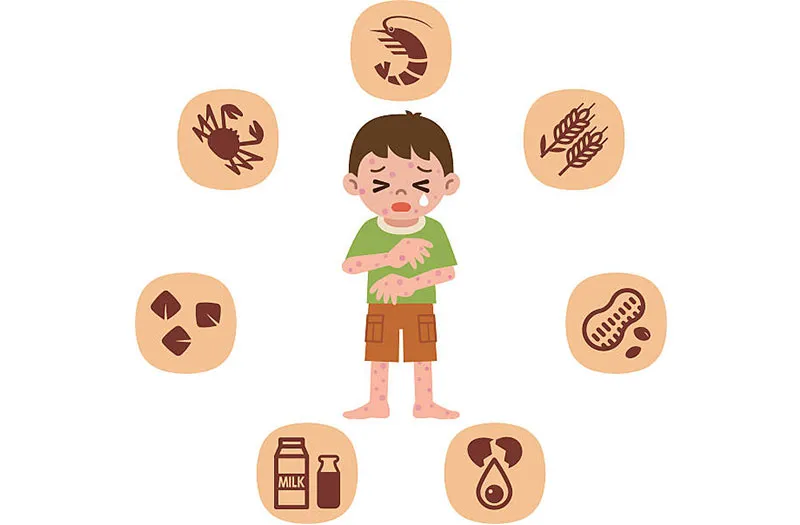
Common allergens include:
- Medications: antibiotics (e.g., penicillin), aspirin, nonsteroidal anti-inflammatory drugs (NSAIDs), anesthetics.
- Foods: milk, eggs, peanuts, tree nuts, fish, shellfish, wheat, soy.
- Insect stings: bees, wasps, hornets, fire ants.
- Other triggers: latex, animal dander, pollen, or mold spores.
In some rare cases, exercise-induced anaphylaxis or reactions to cold exposure have also been documented.
Who Is at Risk of Anaphylaxis?
Anaphylaxis can affect people of all ages, from infants to the elderly. However, certain factors can increase an individual’s susceptibility or the severity of their reaction.
Risk factors include:
- A previous history of anaphylaxis.
- Family history of severe allergic reactions.
- Pre-existing allergic diseases, such as asthma, allergic rhinitis, or eczema.
- Cardiovascular disorders, which may complicate recovery.
- Mast cell disorders (e.g., systemic mastocytosis), where excess mast cells heighten sensitivity.
- Use of beta-blockers or ACE inhibitors, which may reduce responsiveness to epinephrine.
Diagnosis of Anaphylaxis
Diagnosis is primarily clinical, based on rapid recognition of symptoms after allergen exposure. There is no single laboratory test that can confirm anaphylaxis at the time of reaction.
Typical clinical signs include:
- Swelling of the face, lips, or throat
- Pale or bluish skin
- Wheezing, coughing, or noisy breathing
- Low blood pressure and weak pulse
- Confusion, anxiety, or loss of consciousness
- Nausea, vomiting, or diarrhea
During examination, physicians may use a stethoscope to detect abnormal lung sounds or fluid accumulation.
After stabilization, doctors may perform allergy testing or review the patient’s medical history to identify the trigger and prevent recurrence.
Treatment of Anaphylaxis
According to the Ministry of Health’s emergency protocol, anaphylaxis must be treated immediately and on-site before transferring the patient to a medical facility for observation.
Emergency Treatment Principles:
1. Stop exposure to the allergen immediately (e.g., remove insect stinger, stop IV medication).
2. Administer intramuscular epinephrine without delay — this is the first and most critical step.
3. Ensure airway and circulation:
- If breathing stops, begin CPR (chest compressions and rescue breathing).
- Intubate or perform tracheostomy if airway obstruction occurs.
4. Position the patient supine with legs elevated; if vomiting, turn to the left side.
5. Provide oxygen therapy:
- Adults: 6–8 L/min
- Children: 1–5 L/min
6. Establish IV access and rapidly infuse 0.9% NaCl saline solution:
-
- Adults: 1–2 liters in the first hour
- Children: 500 mL in the first hour
7. Call for advanced medical support from the emergency or intensive care unit if available.
Additional Medications:
Diphenhydramine (Dimedrol) 10 mg: intramuscular or intravenous injection.
- Adults: 2 ampoules; Children: 1 ampoule (may repeat every 4–6 hours).
Methylprednisolone 40 mg: intramuscular or intravenous injection.
- Adults: 2 vials; Children: 1 vial (may repeat every 4–6 hours).
These medications help prevent recurrent or delayed symptoms (biphasic anaphylaxis) but do not replace epinephrine.
Lifestyle Tips and Prevention
Although anaphylaxis cannot always be predicted, adopting preventive habits can greatly reduce the risk of recurrence.
Lifestyle Recommendations:
Follow your doctor’s instructions closely regarding treatment and medication use.
Maintain a balanced, stress-free lifestyle — stress can worsen allergic tendencies.
Contact your healthcare provider immediately if you notice unusual symptoms.
Schedule regular medical check-ups to monitor your health and update your allergy action plan.
Effective Prevention Strategies:
Avoid known allergens and carefully read food or medication labels.
Always carry an epinephrine auto-injector (EpiPen® or equivalent) if prescribed.
Discuss your allergy history with physicians before taking new medications or vaccines.
Consider wearing a medical alert bracelet identifying your allergies.
If you have severe reactions, inform family members, coworkers, or teachers on how to assist in emergencies.
Summary
Anaphylaxis is a medical emergency requiring rapid recognition and immediate treatment with epinephrine.
Understanding your triggers, staying vigilant, and maintaining preparedness are key to preventing serious outcomes.
With proper management and follow-up care, individuals at risk can live healthy, safe, and confident lives.
