
Voice Disorders: Clinical Overview, Etiology, and Symptoms
Introduction & Physiological Background
For most individuals, a clear and resonant voice is essential for personal identity, professional performance, and everyday social interaction. Consequently, any underlying disease process affecting the larynx can disrupt acoustic quality, impairing interpersonal communication and quality of life.
General Overview of Voice Disorders
Voice disorders encompass a wide spectrum of functional, structural, and neurogenic conditions that alter the physiological mechanics of vocal fold vibration and acoustic projection. These disorders interfere with normal phonation, resulting in pitch, volume, or quality deviations that are inappropriate for an individual’s age, gender, or cultural background.

What is a Voice Disorder?
A voice disorder is defined as any clinical deviation in acoustic vocal parameters-specifically affecting pitch (frequency), loudness (intensity), resonance, or vocal quality (timbre)-stemming from abnormal vocal fold vibration or incomplete glottal closure.
Clinically, voice disorders are categorized into three major, often overlapping, primary classifications:
Functional Voice Disorders: These occur when the physical structures of the vocal apparatus (larynx, vocal folds, lungs) are anatomically normal, but the mechanism of phonation is executed improperly. This often stems from muscle tension dysphonia, vocal hyperfunction, or improper vocal technique.
Structural and Organic Voice Disorders: These result from physical, anatomical, or neurological alterations in the larynx or respiratory tract:
- Structural/Morphological Changes: Benign or malignant tissue growths on the vocal folds, such as vocal nodules, polyps, cysts, papillomas, granulomas, or laryngeal edema.
- Neurological Impairment: Dysfunctions affecting the innervation of the laryngeal musculature, such as vocal fold paralysis, spasmodic dysphonia, or neurodegenerative conditions (e.g., Parkinson’s disease).
Psychogenic Voice Disorders: Although less common, these disorders develop secondary to severe emotional distress, acute trauma, or conversion disorders. In such cases, anxiety, depression, or somatization manifests physically as aphonia (total loss of voice) or severe dysphonia, despite anatomically healthy vocal folds.
Clinical Manifestations of Voice Disorders
The clinical presentation of a voice disorder varies depending on the underlying etiology, whether structural, neurogenic, or functional. Disruptions to the delicate mucosal wave mechanics of the vocal folds lead to noticeable acoustic and perceptual alterations in phonation.
Key Signs and Acoustic Symptoms
- Hoarseness and Vocal Harshness: A raspy, breathy, or harsh voice quality resulting from irregular vocal fold mucosal wave vibration or incomplete glottal closure.
- Tremorous, Unstable, or Wavering Pitch: An involuntary pitch instability, vocal quivering, or tremor during phonation, frequently observed in neurogenic conditions or severe vocal fatigue.
- Vocal Strain, Breaks, and Pitch Glitches: Sudden pitch cut-offs, cracking, or forced phonation requiring increased subglottic air pressure to produce sound.
- Acoustic Intensity Deviations: Inability to control vocal volume, manifesting as an excessively loud or inappropriately soft, weak, or whispering voice.
- Phonatory Difficulty and Articulatory Fatigue: Strained speech production, vocal fatigue after short periods of speaking, or concomitant fluency disruptions such as stuttering-like speech pauses.
Potential Complications of Untreated Voice Disorders
While voice disorders are rarely immediately life-threatening unless linked to malignant airway obstruction, unmanaged chronic dysphonia carries substantial psychosocial and occupational consequences:
- Communication Barriers and Social Isolation: Persistent vocal impairment hinders effective interpersonal communication, severely impacting daily interactions, professional productivity, and vocational performance (especially in voice professionals like teachers, singers, and public speakers).
- Psychological Distress and Quality of Life Decline: Chronic inability to communicate clearly leads to emotional frustration, heightened anxiety, loss of self-confidence, and an increased susceptibility to clinical depression.
- Secondary Structural Vocal Damage: Compensatory vocal hyperfunction (forcing speech through inflamed or nodular vocal cords) can exacerbate mucosal trauma, promoting the formation of permanent vocal fold scarring, granulomas, or recalcitrant polyps.
Indications for Medical Evaluation?
Early otolaryngologic assessment is essential to differentiate benign functional dysphonia from progressive organic or malignant laryngeal lesions.
Patients should seek an evaluation by an Ear, Nose, and Throat (ENT) specialist if:
Primary Etiologies and Pathophysiology
Normal, clear phonation requires smooth mucosal contact and symmetrical, rhythmic vibration of both vocal folds. Any pathophysiological process that interferes with vocal fold closure, alters mucosal mass or pliability, or disrupts neuromuscular control can precipitate a voice disorder.
Major Etiological Categories:
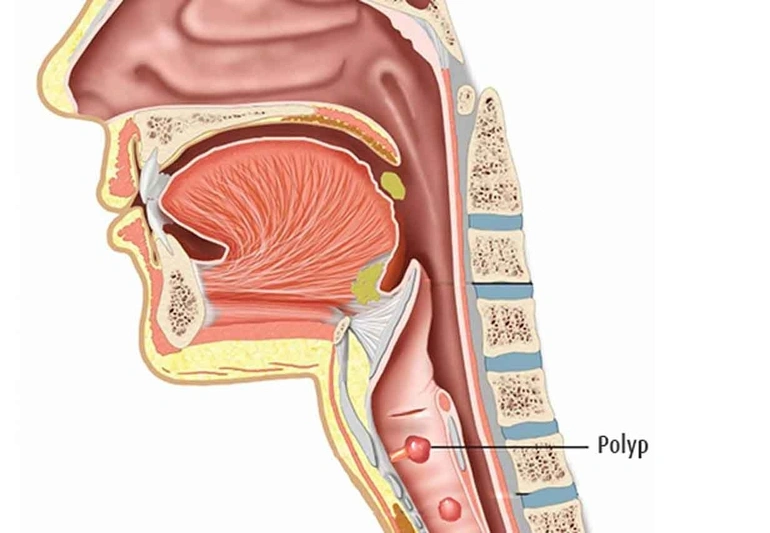
Morphological and Benign Tissue Lesions: Excess tissue growth on the free edge of the vocal folds disrupts glottal closure and impairs normal mucosal wave propagation. Common benign lesions include:
- Vocal Fold Nodules & Polyps: Callus-like (nodules) or fluid-filled/vascular (polyps) lesions caused by repeated vocal trauma or vocal abuse.
- Vocal Fold Cysts & Granulomas: Encapsulated fluid structures or inflammatory contact lesions (often secondary to endotracheal intubation or severe acid reflux).
- Laryngeal Papillomatosis & Scarring: Viral-induced epithelial growths (HPV) or fibrotic scar tissue following prior surgery or chronic ulceration.
Inflammatory and Irritative Pathology: Diffuse mucosal edema and hyperthermic hyperemia compromise the flexible vibration mechanism:
- Laryngopharyngeal Reflux (LPR): Micro-aspiration of gastric acid and pepsin causes direct chemical irritation and inflammation of the posterior laryngeal mucosa (reflux laryngitis).
- Environmental & Inhalant Irritants: Exposure to primary or secondary tobacco smoke, industrial chemical fumes, airborne allergens, or chronic alcohol abuse.
- Infectious Agents & Medications: Viral or bacterial upper respiratory infections, or drying effects from inhaled corticosteroids and anticholinergic medications.
Neurological Dysfunctions: Disruption to the central or peripheral nervous system pathways governing laryngeal innervation (primarily the recurrent laryngeal nerve):
- Vocal Fold Paralysis or Paresis: Unilateral or bilateral loss of vocal fold mobility resulting from surgical trauma (e.g., thyroidectomy), viral neuritis, or mediastinal tumors.
- Neurodegenerative Disorders: Conditions such as Parkinson’s disease, Multiple Sclerosis (MS), Amyotrophic Lateral Sclerosis (ALS), or Spasmodic Dysphonia (laryngeal dystonia) that impair vocal amplitude, pitch regulation, and muscular coordination.
Endocrine and Hormonal Imbalances: Endocrine fluctuations directly modify the matrix composition and water retention of the vocal fold lamina propria:
- Thyroid Disorders: Hypothyroidism causes mucosal myxedema, resulting in a deeper, raspy, low-pitched voice.
- Sex Hormone Shifts: Fluctuations in estrogen, progesterone, or androgen levels during menopause, pregnancy, or testosterone replacement therapy.
Vocal Hyperfunction and Phonotrauma: Repetitive, high-intensity mechanical stress on vocal fold tissue:
- Excessive shouting, screaming, chronic throat clearing, loud singing, or prolonged speaking without adequate breath support.
- Phonotrauma can lead to subepithelial capillary rupture, causing vocal fold hemorrhage (a medical emergency requiring immediate vocal rest to prevent permanent scarring).
Epidemiological Risk Factors
Epidemiological studies indicate that voice disorders affect approximately 3% to 9% of the general population at any given time, though many individuals delay seeking medical care.
High-Risk Occupations and Demographics ?
Occupational Voice Users: Professional voice reliance places extreme mechanical strain on the laryngeal apparatus. Teachers represent the highest risk group (with up to 57% experiencing voice disorders during their careers), followed by singers, actors, lawyers, public speakers, call center operators, and cheerleaders.
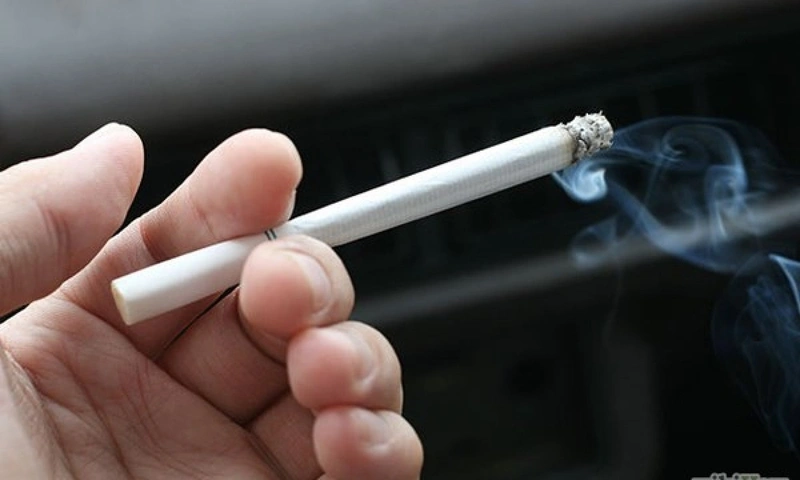
Chronic Smokers and Substance Users: Individuals who smoke cigarettes, use e-cigarettes/vape, or consume excessive alcohol suffer from chronic chemical erosion of the laryngeal epithelium.
Patients with Underlying Chronic Medical Conditions: Individuals diagnosed with neurodegenerative diseases (Parkinson’s, MS), gastroesophageal reflux disease (GERD/LPR), or chronic sinonasal allergies.
Aggravating Risk Factors
- Advanced Age (Presbyphonia): Age-related atrophy of the thyroarytenoid muscle and thinning of the vocal fold mucosa lead to incomplete glottal closure and a weak, breathy voice.
- Tobacco and Alcohol Exposure: Chronic thermal and chemical exposure induces persistent tissue congestion, mucosal hypertrophy, and a heightened risk of laryngeal dysplasia or malignancy.
- Environmental & Chemical Irritants: Frequent exposure to industrial smog, airborne dust, ambient dry air, or chemical solvents.
- Laryngopharyngeal Acid Reflux (GERD/LPR): Uncontrolled acid exposure continually inflames the delicate vocal fold epithelium.
- Frequent Upper Respiratory Infections: Recurrent viral colds or acute laryngitis episodes that are not allowed proper healing time with vocal rest.
- Surgical Trauma: Prior anterior neck surgeries, thyroidectomy, carotid endarterectomy, or prolonged endotracheal intubation that may traumatize the laryngeal nerves or mucosa.
Diagnostic Methodologies for Voice Disorders
Accurate clinical evaluation requires a comprehensive interdisciplinary approach-typically led by an Otolaryngologist (ENT specialist) and a Speech-Language Pathologist (SLP)-to differentiate between functional, structural, and neurogenic etiologies.
Auditory-Perceptual and Subjective Voice Assessment
Detailed Clinical History: Comprehensive evaluation of onset duration, occupation, vocal hygiene habits, acid reflux symptoms, tobacco/alcohol exposure, and concomitant systemic diseases.
Validated Perceptual Scales: Utilizing standardized grading frameworks such as the CAPE-V (Consensus Auditory-Perceptual Evaluation of Voice) or GRBAS scale (Grade, Roughness, Breathiness, Asthenia, Strain) to systematically rate voice quality.
Voice Handicap Index (VHI): A patient-reported outcome measure assessing the functional, physical, and emotional impact of the voice disorder on daily life.
Objective Laryngeal and Acoustic Diagnostic Testing
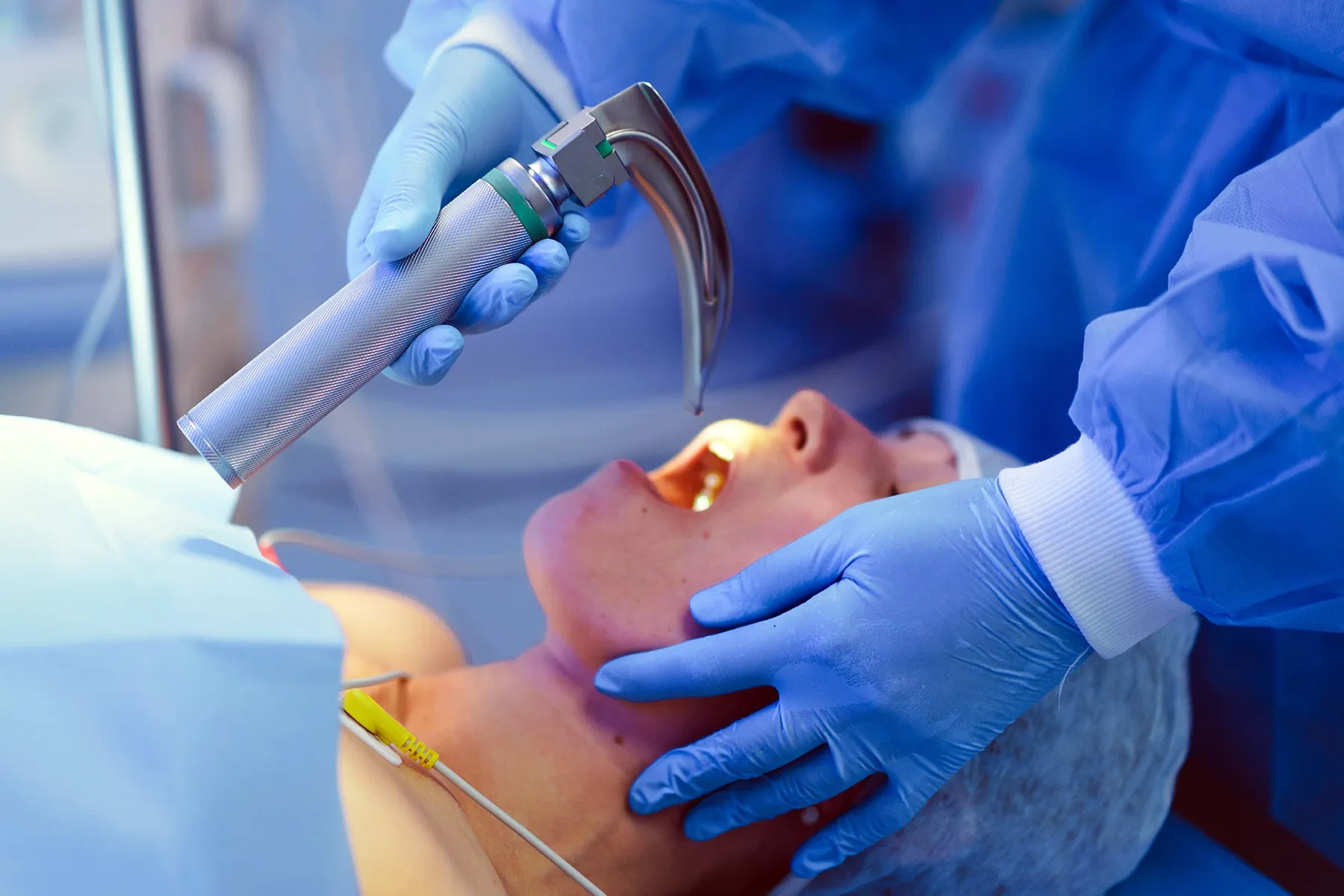
Flexible/Rigid Video Laryngostroboscopy: The definitive diagnostic standard for evaluating laryngeal pathology. By utilizing a synchronized flashing light source, stroboscopy creates a slow-motion visualization of the vocal fold mucosal wave dynamics, glottal closure patterns, symmetry, amplitude, and mucosal pliability.
Acoustic and Aerodynamic Measurement: Quantitative evaluation using computerized speech analysis software to measure fundamental frequency (F0), pitch perturbation (jitter), amplitude perturbation (shimmer), signal-to-noise ratio, subglottic air pressure, and mean phonatory airflow rate.
Laryngeal Electromyography (LEMG): Indicated when neurogenic causes (such as vocal fold paralysis, paresis, or spasmodic dysphonia) are suspected, evaluating the neuromuscular integrity of the intrinsic laryngeal muscles.
Evidence-Based Clinical Management Strategies
Treatment selection depends directly on the identified etiology and severity, incorporating behavioral speech therapy, targeted pharmacotherapy, and minimally invasive or surgical interventions.
Behavioral and Speech Therapy
Speech-language therapy is the primary non-invasive modality for functional dysphonia, muscle tension dysphonia, and early benign lesions (such as vocal nodules):
- Vocal Hygiene Education: Eliminating phonotraumatic behaviors (shouting, chronic throat clearing), ensuring adequate hydration, and limiting caffeine and alcohol intake.
- Resonant Voice Therapy (RVT) and Manual Laryngeal Musculoskeletal Musculoskeletal Tension Reduction: Direct vocal exercises designed to maximize acoustic output while minimizing laryngeal impact stress, alongside manual massage to reduce pericervical muscle tension.
- Phonation Resistance Training (PhonRITE) and Lax Vox: Semi-occluded vocal tract (SOVT) exercises to improve vocal fold adduction efficiency and respiratory-phonatory coordination.
Pharmacological Therapy
Anti-Reflux Regimens: High-dose Proton Pump Inhibitors (PPIs), H2-receptor antagonists, or alginate therapeutics for patients with documented laryngopharyngeal reflux (LPR) to protect the laryngeal mucosa.
Corticosteroid Administration: Short-term systemic steroids may be used for acute, severe vocal fold edema or inflammation (e.g., in professional performers with acute laryngitis).
Neuromodulators & Local Injections:
- Botulinum Toxin (Botox) Injections: The primary treatment for focal laryngeal dystonia (spasmodic dysphonia), selectively weakening affected intrinsic laryngeal muscles.
- Vocal Fold Injection Augmentation: Ingesting bulk-producing agents (such as hyaluronic acid, carboxymethylcellulose, or autologous fat) into a paralyzed or atrophic vocal fold to improve glottal closure.
Surgical Interventions
Surgical management is indicated for suspicious or persistent organic lesions, large polyps, cysts, papillomas, or malignant changes:
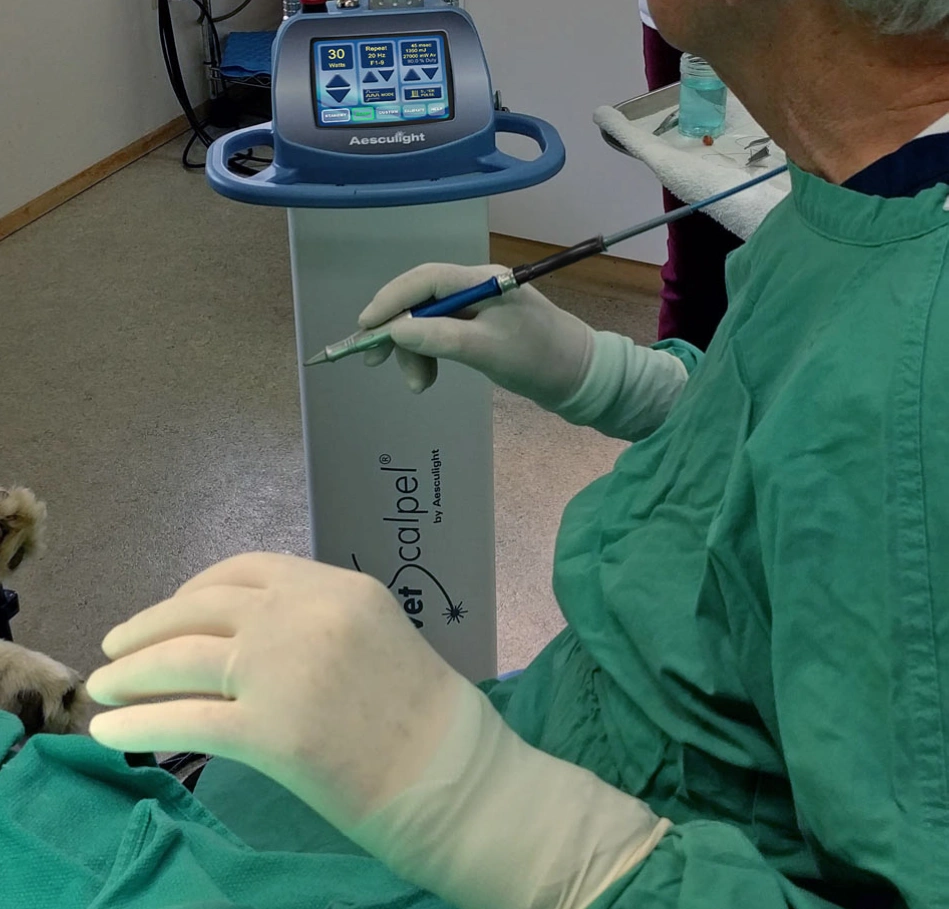
- Phonomicrosurgery: Microscopic laryngeal surgery utilizing specialized micro-instruments or cold-steel techniques under general anesthesia to excise lesions while preserving the delicate basement membrane and mucosal wave.
- CO2 Laser Microsurgery: Precise photo-vaporization or resection of vascular lesions, papillomas, or early laryngeal malignancies.
- Laryngeal Framework Surgery (Thyroplasty): Structural realignments (e.g., Type I Medialization Thyroplasty) to permanently shift a paralyzed vocal fold toward the midline, restoring vocal fold contact and voice quality.
Lifestyle Modifications and Home Management
Adopting structured daily habits and practicing proactive vocal hygiene are essential to control the progression of voice disorders, promote vocal fold tissue recovery, and eliminate excessive phonatory strain.
- Strict Adherence to Voice Rest: Implement mandatory periodized vocal rest breaks throughout the day, especially for professional voice users. Avoid shouting, whispering, or speaking loudly over background noise (the Lombard effect).
- Systemic Mucosal Hydration: Maintain adequate fluid intake by drinking at least 2 to 2.5 liters of room-temperature water daily. Optimal systemic hydration keeps the vocal fold mucosal wave lubricated and reduces mucosal friction during phonation.
- Elimination of Inhalant Irritants: Completely cease tobacco smoking, usage of electronic vaping devices, and secondary exposure to secondhand smoke or industrial chemical fumes, which induce chronic chemical laryngitis and tissue hyperthermia.
- Thermal and Environmental Protection: Avoid consumption of ice-cold liquids or extremely hot foods that irritate the pharyngeal mucosa. Keep the throat and neck region warm during abrupt atmospheric temperature shifts or cold seasons.
- Avoidance of Habitual Throat Clearing: Consciously refrain from harsh throat clearing or coughing, which forces the vocal folds together with extreme velocity. Utilize the “silent swallow” technique or sip warm water to clear pharyngeal secretions without mechanical trauma.

Proactive Prevention Strategies
Preventing functional and structural voice disorders relies on protecting laryngeal mechanics, minimizing acid reflux, and maintaining a healthy lifestyle:
- Proactive Reflux Control: Prevent laryngopharyngeal reflux (LPR) by adopting a balanced diet, avoiding late-night meals (refraining from food at least 3 hours prior to sleeping), and restricting trigger items such as caffeine, alcohol, spicy foods, and highly acidic beverages.
- Ergonomic Vocal Technique and Respiratory Support: Utilize proper abdominal/diaphragmatic breathing mechanics rather than clavicular breathing to power the voice, reducing pericervical muscle tension during speech.
- Substance Avoidance: Strictly refrain from recreational drug use, illicit substances, and excessive alcohol consumption, as these alter neuromuscular coordination and dry out upper airway mucosal membranes.
- Prompt Treatment of Respiratory Illnesses: Treat viral colds, allergic rhinitis, and chronic sinonasal conditions early to prevent secondary post-nasal drip and loud, forced phonation through inflamed vocal tissue.